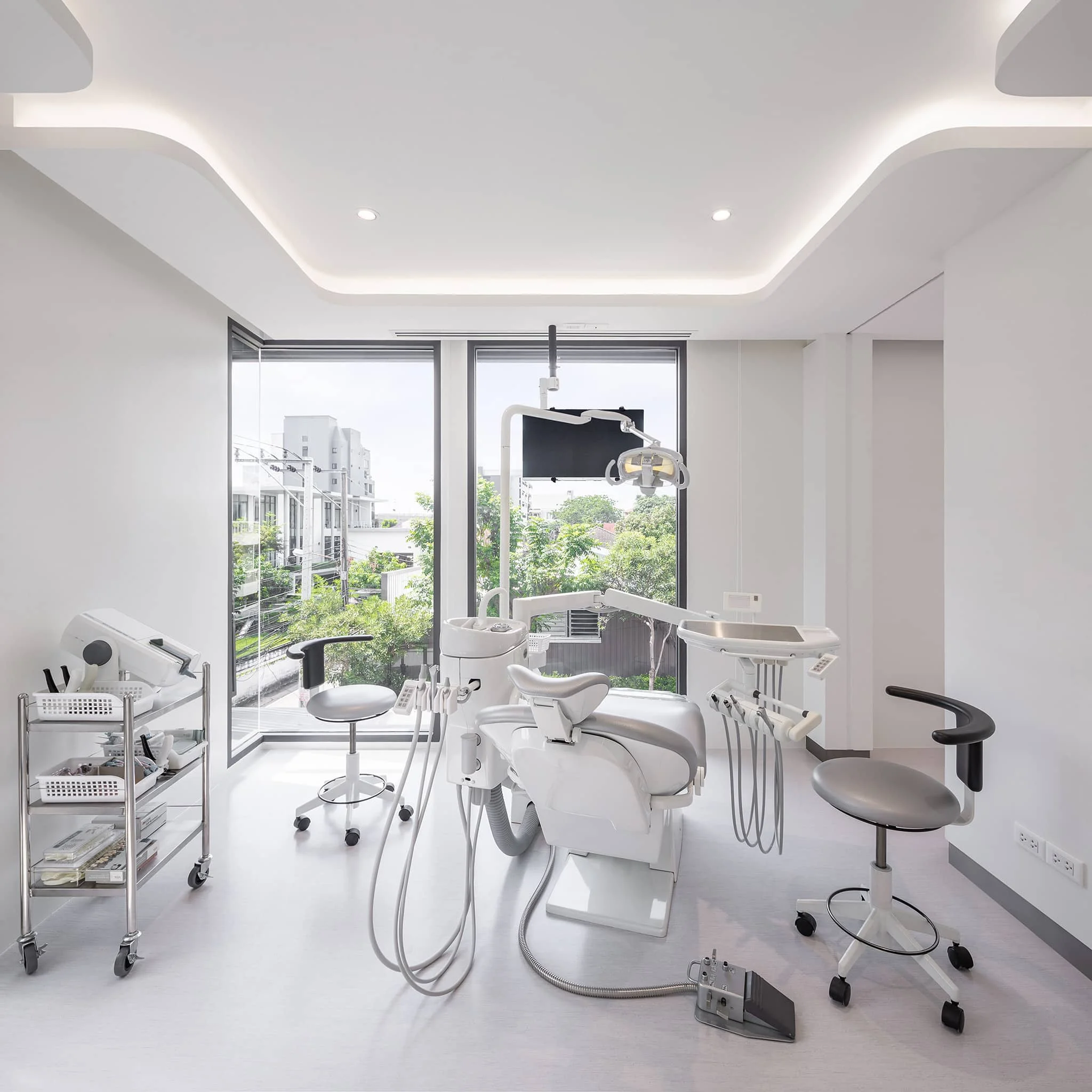
Where patient photos are shown, they are actual images from COSDENT Smile Design. Individual results may vary. Promotions and terms may change; please contact the clinic directly for current information. All terms and conditions are subject to company policy.
Veneers and crowns cover different parts of a tooth. A veneer sits mainly on the front; a crown covers the tooth more fully. The choice starts with the condition of your teeth and what you want to change. A smile photograph alone cannot tell you which treatment is suitable.
What are veneers and crowns?
Veneers are thin coverings used to change the appearance of teeth, including chipped or discoloured teeth. Crowns are caps used to restore damaged or weakened teeth, and they can also change appearance. Neither option is automatically better for every front tooth. See the NHS guide to dental treatments.
Why tooth health comes before appearance
Decay and gum disease need attention before veneers. Grinding, clenching and a deep bite can also affect suitability. Tell your dentist about discomfort, previous fillings and any treatment you have already had. The American Dental Association explains these precautions in its veneer guide.
Root canal treatment and a crown do different jobs. Root canal treatment addresses inflamed or infected tissue inside the tooth; a crown restores the tooth above it. A crown does not remove an infection by itself. Ask what further treatment is needed before the final restoration. The American Association of Endodontists explains the purpose of root canal treatment.
How much tooth preparation is involved?
A porcelain veneer generally involves preparing the front and sides of the tooth. A crown needs space around the tooth for its cap. Ask your dentist to show where preparation is needed and explain why. Removing enamel is irreversible, so understand the proposed changes before agreeing to treatment.
If preserving tooth structure is your main concern, ask: Is a restoration needed on this tooth? What would happen if I left it untreated? Could a smaller restoration meet the same need?
Materials, shade and the result you want
Veneers are commonly made from porcelain or composite resin. Crowns can use ceramic, metal or a combination of porcelain and metal. The material choice depends on clinical needs as well as appearance. Cleveland Clinic describes the different crown materials.
Bring photographs to explain your preferences, but use them to start a conversation rather than choose a treatment. Ask about shade, tooth shape and how the proposed restoration will look beside your own teeth. For more on communicating those preferences, read our smile design article.
Questions to compare before deciding
For veneers, ask whether your concern is mainly colour or shape, how much enamel remains, and whether your bite makes treatment suitable. For crowns, ask what damage or weakness the cap is intended to address and whether a less extensive option is reasonable.
For either treatment, ask which material is proposed, what preparation is needed, what the alternatives are, and how future repair or replacement would be handled. Ask the dentist to explain the recommendation for each tooth rather than apply one choice to your whole smile.
Could another treatment suit you?
Whitening changes tooth colour. Orthodontic treatment moves teeth. Fillings repair cavities. These treatments address different problems, so discuss them before deciding on veneers or crowns.
If your upper and lower dental midlines do not line up, ask whether tooth position or your bite needs assessment first. Do not assume that changing the front surfaces of your teeth will address the underlying concern.
Planning treatment in Bangkok from overseas
Contact COSDENT through the online form before booking travel for treatment. Describe your goals, previous dental work and proposed travel dates. Ask what information the clinic needs before arranging your appointment. Online communication helps with planning; it does not replace an examination.
Request an individual written plan covering appointment timing, costs, materials, and anything included or excluded. Confirm current promotions, expiry dates and any warranty terms directly with the clinic. These follow company terms and may change. Do not assume a fixed number of days or that every tooth needs the same treatment.
Looking after your restorations
Brush twice a day with fluoride toothpaste and clean between your teeth daily. Restorations do not remove the need for routine dental care. If your bite feels wrong, or a restoration becomes loose or painful, contact a dentist. Cleveland Clinic covers crown care and when to seek help.
Before returning home, ask when you should arrange follow-up, which records to keep, and who to contact if a problem develops. Our veneer aftercare guide provides further reading. The article on how long veneers last can help you prepare questions about future maintenance .
Discuss the options for your teeth
Not sure whether veneers or crowns fit your situation? Complete the online consultation form to discuss your goals with COSDENT Smile Design. Ask for an explanation of the options for each tooth before you commit. Suitability, timing and costs depend on your individual assessment.
Compare Related Dental Treatments in Bangkok
Porcelain Veneers in Bangkok — Conservative front-surface ceramic veneers for shade, shape, and proportion refinement.
Dental Crowns & Bridges in Bangkok — Full-coverage E.max and zirconia crowns for cracked, worn, or root-filled teeth.
Root Canal Treatment in Bangkok — Endodontic therapy prior to full-cuspal crown protection.
Veneers Cost in Thailand (2026) Price Guide — Compare Bangkok per-tooth and multi-tooth package pricing.