
How long can veneers last?
As a rough guide for planning, ceramic (porcelain) veneers may last around 10 to 15 years, while composite veneers may last around 3 to 5 years. These estimates vary with the material, your teeth and how you use and care for them. They are not a guarantee or an expiry date.
Cleveland Clinic: dental veneers
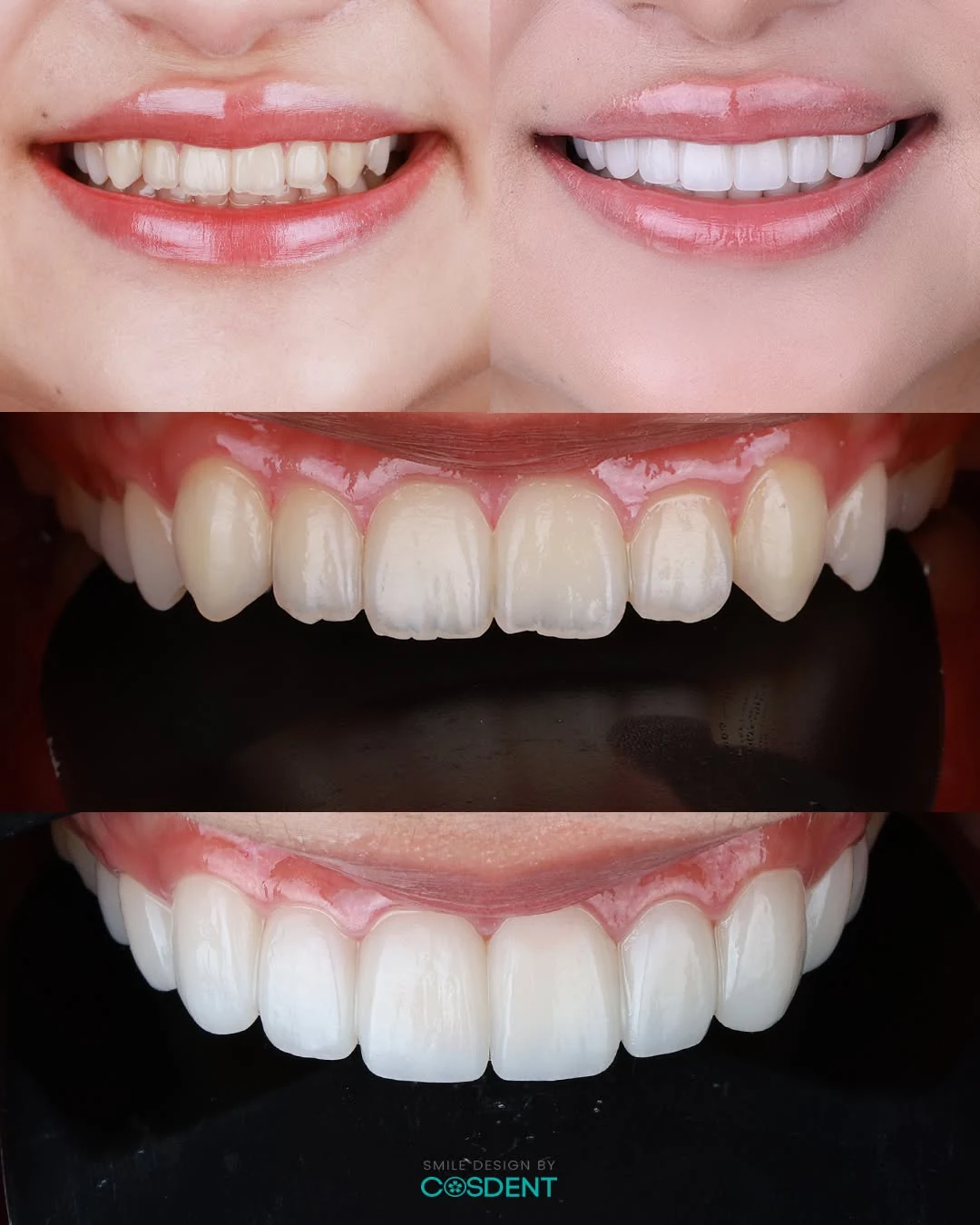
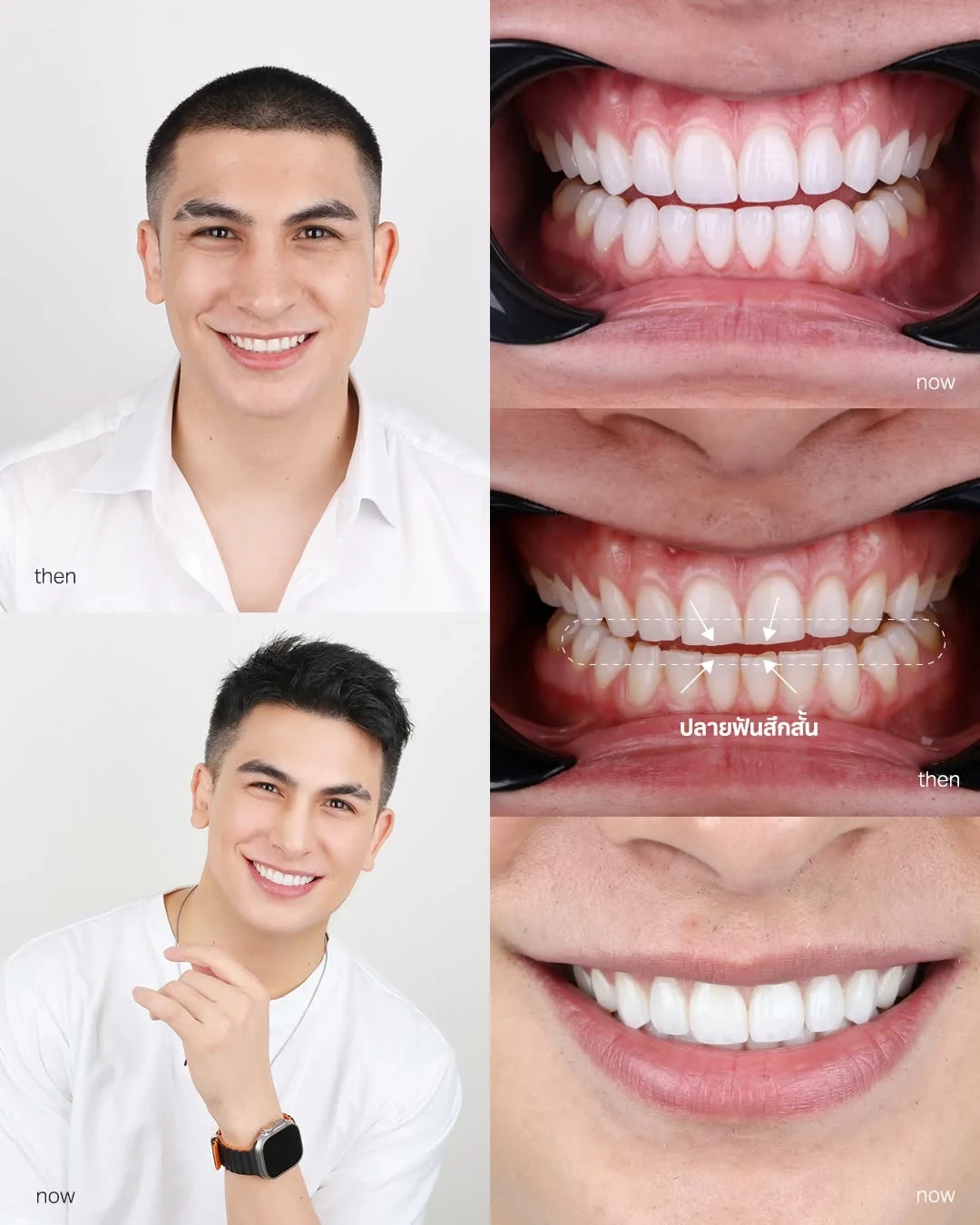
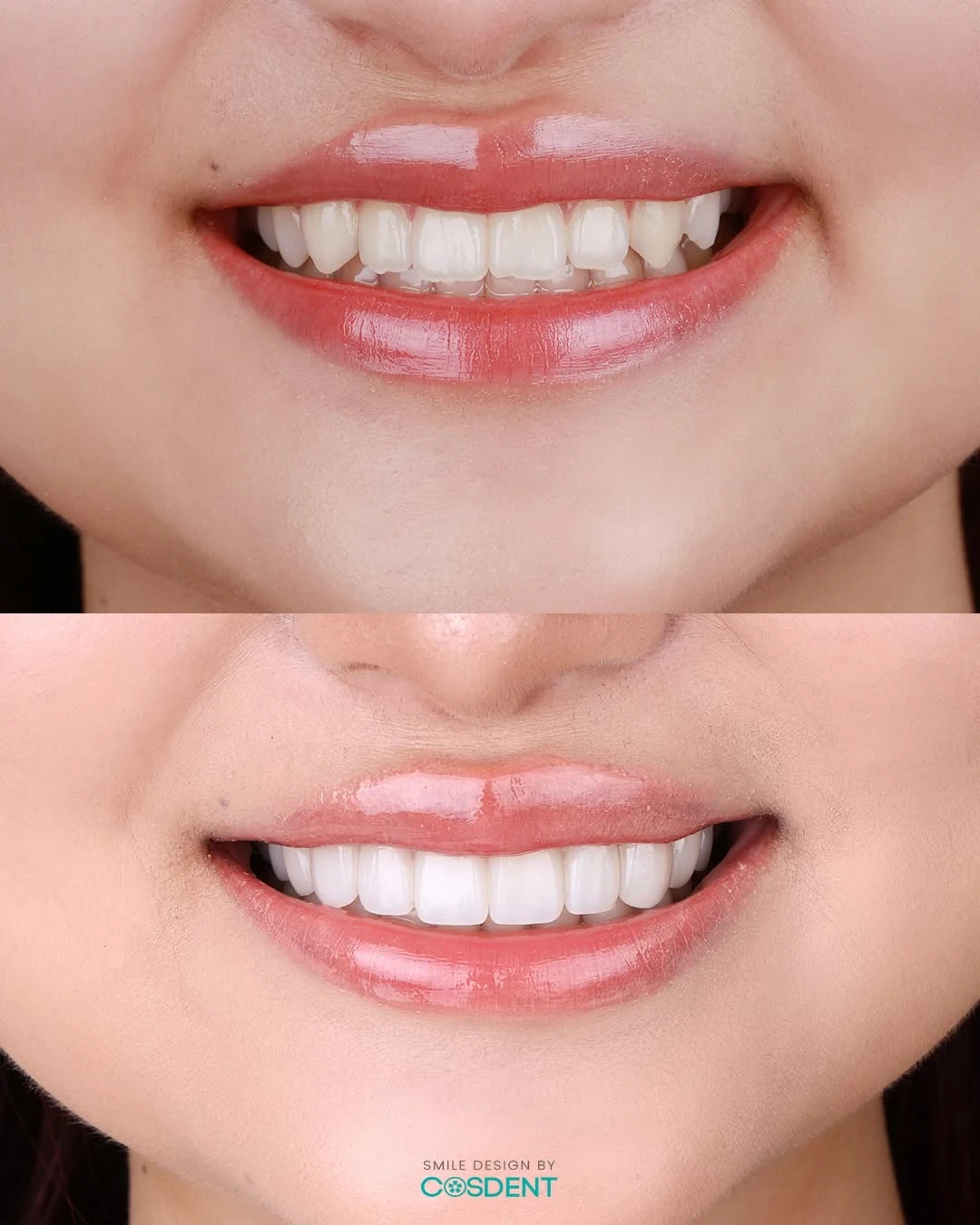
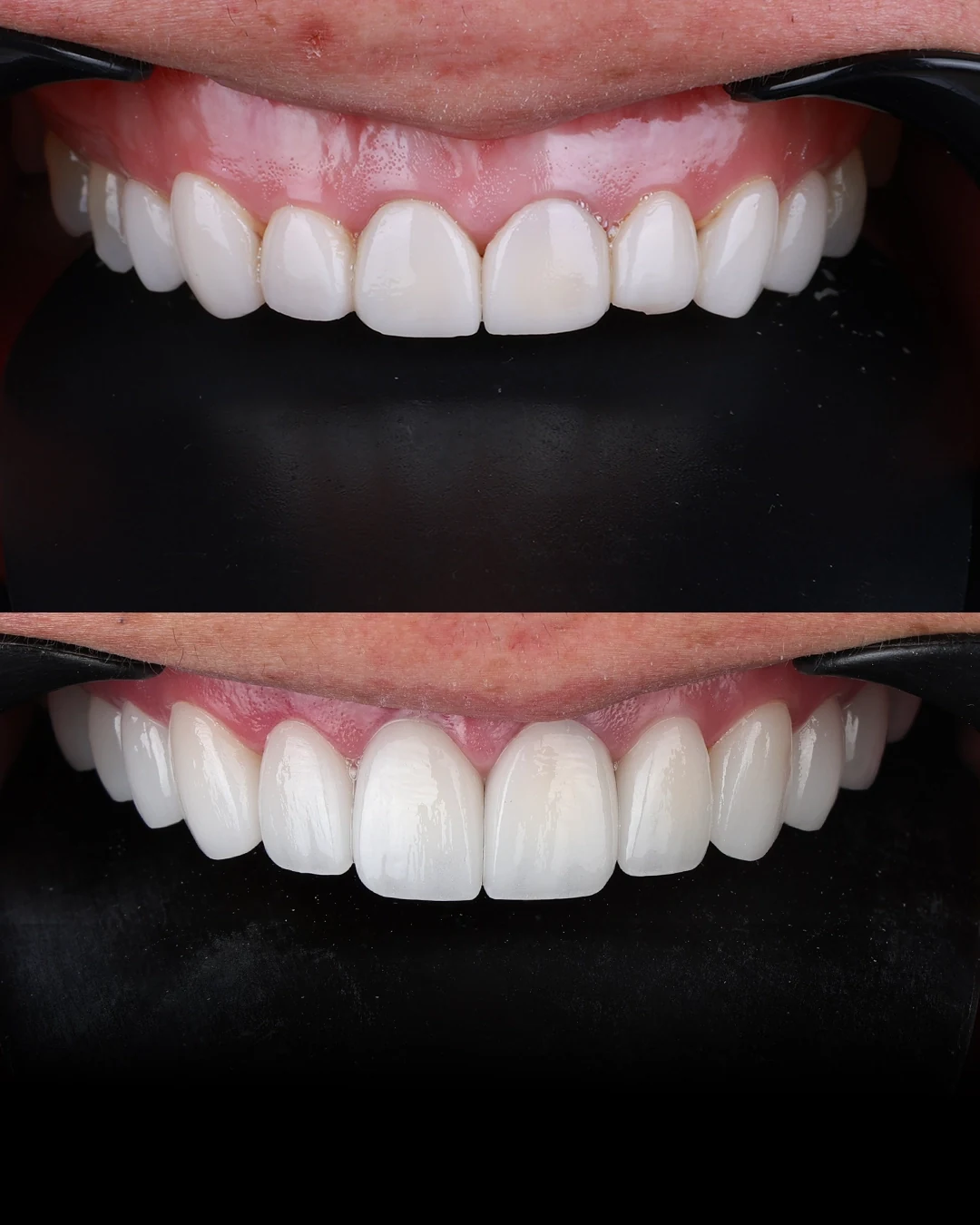
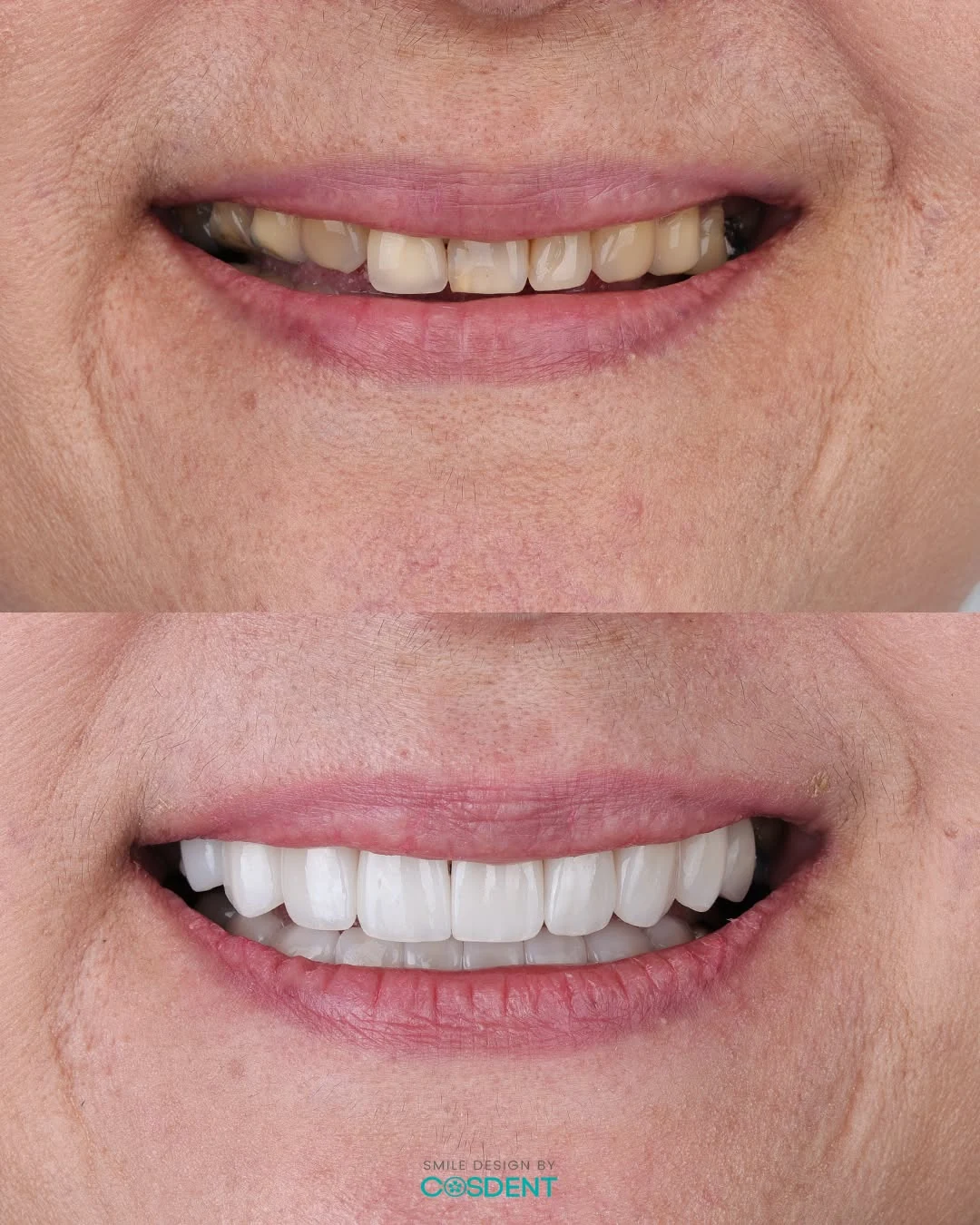
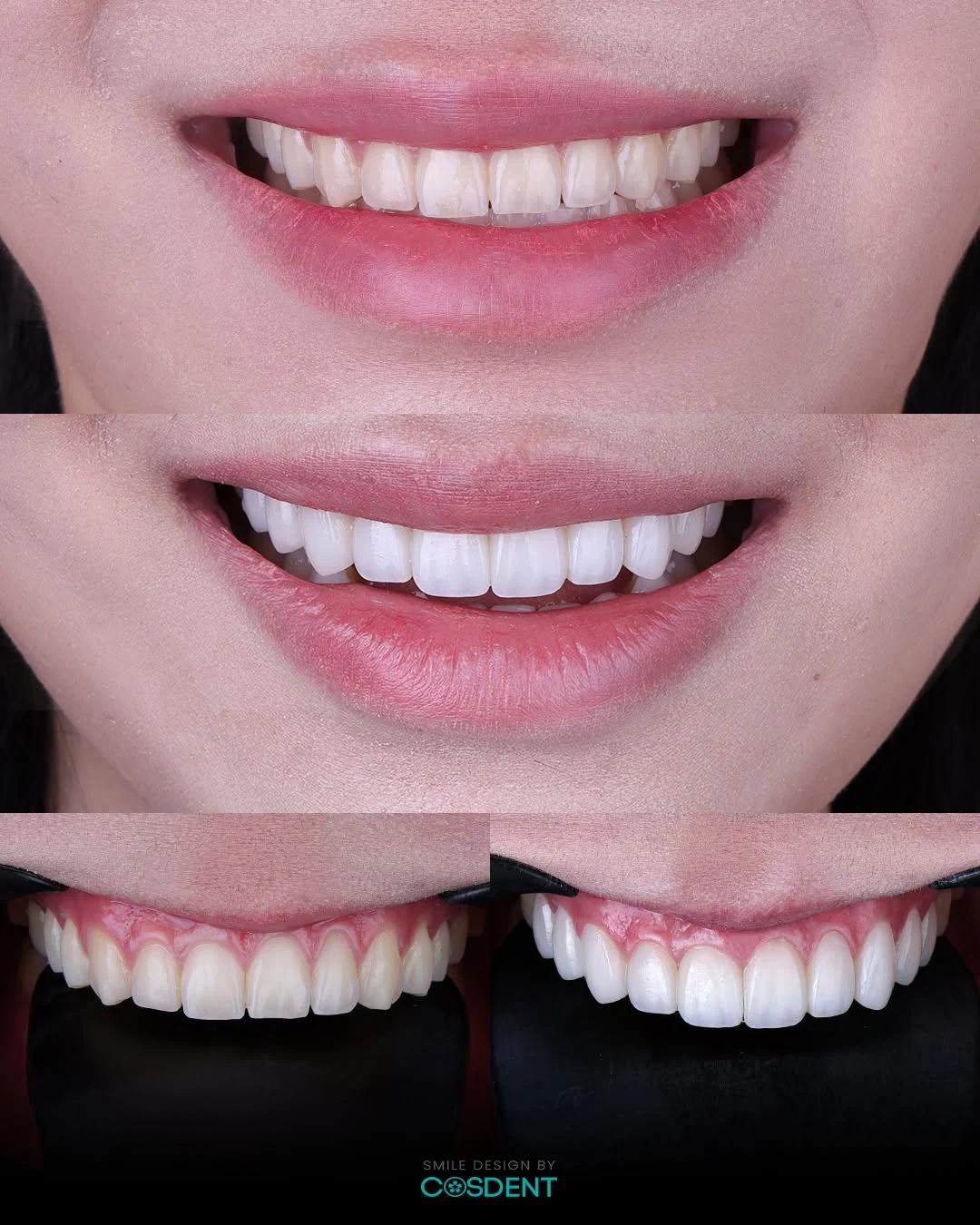
These photographs show individual smiles and treatment comparisons. They do not document how long the restorations lasted. Results vary from person to person.
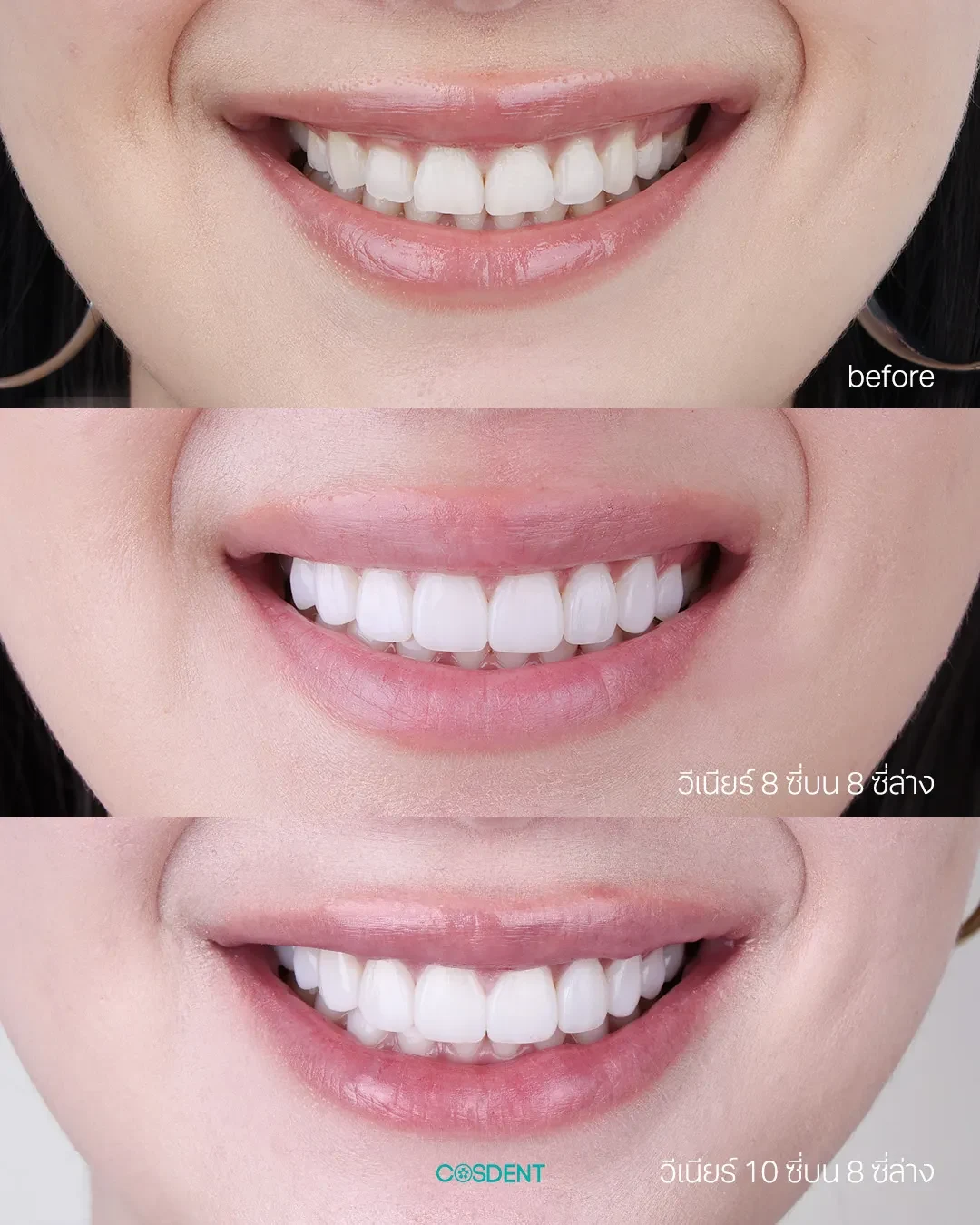
Where patient photos are shown, they are actual images from COSDENT Smile Design. Individual results may vary. Promotions and terms may change; please contact the clinic directly for current information. All terms and conditions are subject to company policy.
What does research tell us?
A systematic review of porcelain laminate veneers looked at how long they remained in place and what complications occurred. This helps explain performance over time, but cannot predict how your own veneers will fare. The studies used different methods, materials and follow-up periods. A veneer counted as surviving may still need attention.
Research: porcelain veneer survival and complications
Porcelain or composite: what should you compare?
The American Dental Association (ADA) describes porcelain and composite veneers separately. Composite is generally easier to repair, but less resistant to staining and wear. Ask your dentist which material suits your teeth and what care it will need. The same lifespan estimate will not apply to every restoration.
What affects how long veneers last?
Everyday habits matter. Biting into hard foods or chewing ice can put extra pressure on veneers. Avoid using your teeth to open packaging. If you clench or grind your teeth, tell your dentist so they can assess your bite and whether a protective night guard is appropriate.
Healthy gums and the teeth underneath also matter. Brush twice a day with a soft toothbrush and fluoride toothpaste, clean between your teeth daily, and attend dental check-ups. Veneers do not protect the underlying teeth from decay or prevent gum disease.
Some veneers remain in good condition beyond these estimated ranges. Good oral care can help, but it cannot guarantee lifelong use. A dentist should check the veneer, its fit, your bite and the surrounding teeth and gums before deciding whether it can stay in place. Replacement is based on its condition, not simply the number of years since treatment.
Questions to ask about your own smile
At your consultation, ask your dentist to explain the examination findings and why they recommend a particular material. Discuss the alternatives and any maintenance you may need later. If you clench or grind your teeth, mention this before choosing a treatment package.
When should you arrange a dental review?
Contact a dentist if a veneer feels loose, develops a crack, causes discomfort, or changes the way your teeth meet. You do not need to wait until it reaches a certain age. An examination will help the dentist decide whether repair or replacement is appropriate.
Planning care after you return home
If you are travelling from overseas, ask about follow-up before booking treatment. Find out which dental records to take home, how to contact COSDENT if you have a concern, and whether you might need to return to Bangkok for a future visit. Remote support cannot replace a dental examination.
Our veneer aftercare guide explains everyday care. Read it alongside the lifespan estimates when planning how to look after your veneers.

Lifespan and warranty are different
A lifespan estimate describes how long a veneer may remain in use. A warranty sets out the company’s terms for coverage. Ask COSDENT to confirm the coverage, exclusions and any related costs for your treatment plan. Neither gives a guarantee that everyone will have the same result.
Start with a plan for your teeth
Before arranging your trip, use COSDENT’s online consultation form to share what you would like to change about your smile and when you plan to travel. You can ask for a preliminary recommendation. Your suitability for treatment, appointments, costs and results depend on your individual assessment. The clinic confirms the final plan after examining your teeth.
Complete the online consultation form
Explore veneer treatment options
Understand veneer costs in Thailand