pigmented-gingiva
Pink Gum Treatment
Laser treatment to lighten dark gums for a healthy pink appearance.
Gum Bleaching
Laser
Pink Gum
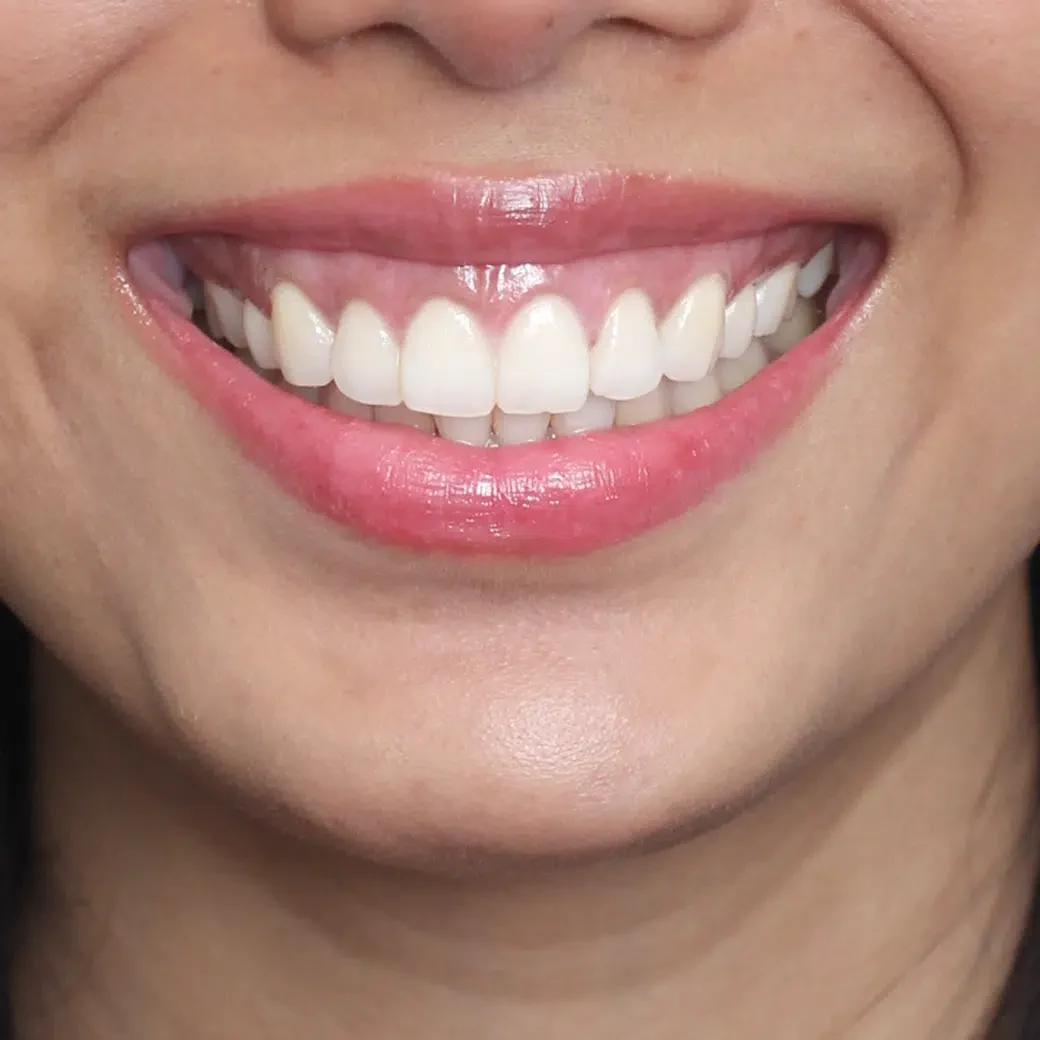
Dark gums are more common than you think and more treatable than most people know.
When people think about smile aesthetics, they focus on teeth — their colour, shape, and alignment. But for many people, it’s the gums that quietly undermine the confidence of a smile. Dark, brown, or uneven gum pigmentation is a cosmetic concern that affects a significant number of adults — and one that very few dental clinics are equipped to address effectively.
Table of contents
What’s laser gum bleaching
What causes dark gums?
How laser depigmentation works?
Laser vs other methods
Who is suitable
Procedure & preparation
How to prepare yourself before the appointment
Cost in Bangkok vs abroad
FAQs
What’s laser gum bleaching
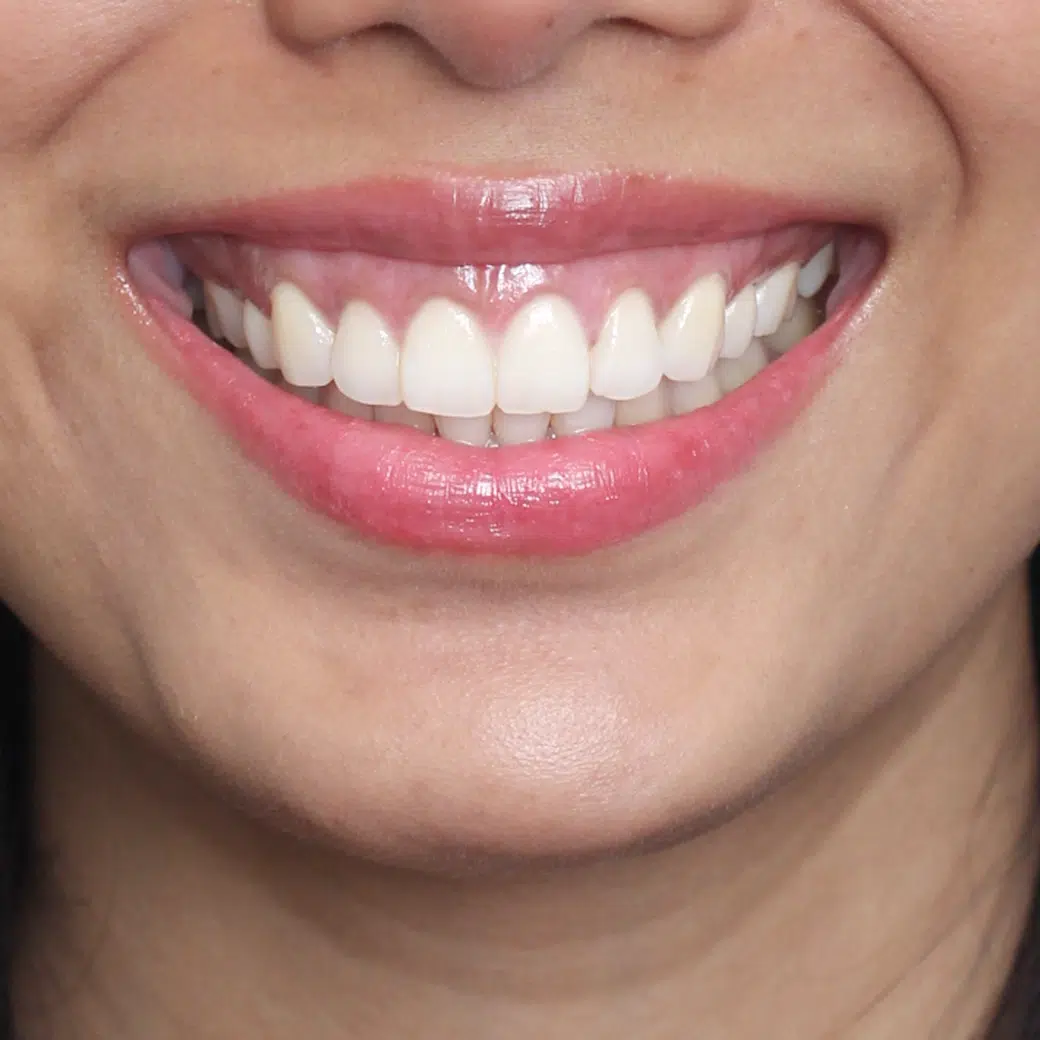
Laser gum bleaching (or Laser Gum Depigmentation) is a gentle, precise laser procedure that removes melanin pigmentation from the gum tissue, restoring a naturally pink, healthy-looking gum line. The results are visible immediately after treatment, and in most cases, the procedure is completed in a single visit.
If you’ve ever held back a smile because of the colour of your gums — this page explains exactly what’s possible, how it works, and what to expect if you’re considering treatment in Bangkok.
What causes dark gums?
Dark gums are rarely a sign of poor health — in most cases, they’re caused by natural melanin pigmentation, the same pigment that determines skin colour. We explain the four main causes: genetic melanin, smoking, certain medications, and post-inflammatory pigmentation, and which respond best to laser treatment.
Natural melanin (genetic)
The most common cause. People with naturally higher melanin levels — particularly those of South Asian, African, Middle Eastern, or Southeast Asian heritage often have genetically darker gum tissue. This is entirely normal and not a health concern.Smoking
Nicotine stimulates melanocyte activity in the gum tissue, causing “smoker’s melanosis” — dark patches that develop over years of tobacco use. These respond well to laser treatment, though results are best maintained after quitting.Certain medications
Some long-term medications — including certain antimalarials, antipsychotics, and minocycline — can cause gum pigmentation as a side effect. Response to the laser varies depending on the underlying cause and duration.Post-inflammatory pigmentation
Gum tissue can produce excess melanin after inflammation or injury — a healing response that leaves lasting dark patches. Laser treatment is effective once the underlying inflammation is resolved.
How laser depigmentation works?
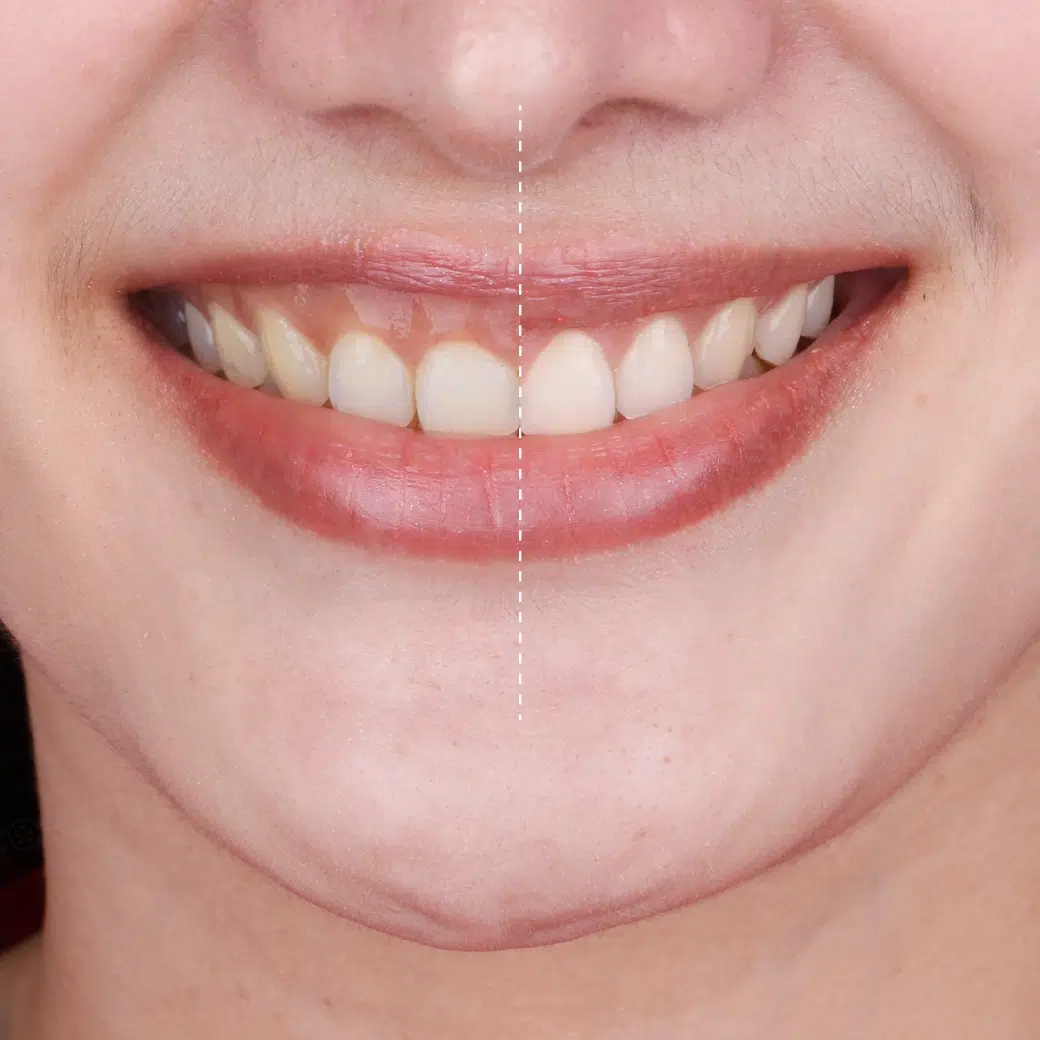
To understand how Pink Gum Laser works, it helps to first understand what makes gums appear dark. Gum pigmentation comes from melanin — the same natural pigment that gives skin, hair, and eyes their colour. Melanin is produced by specialised cells called melanocytes, which sit in the outermost layer of the gum tissue (the epithelium).
The science behind Pink Gum Laser is it selectively targets and destroys the melanocytes responsible for producing the excess pigment — while leaving every other cell in the gum completely unaffected.
The laser used at COSDENT works on a principle called selective photothermolysis — the ability of a specific laser wavelength to be absorbed by one particular target (in this case, melanin and melanocytes) while being ignored by all surrounding tissue.
This selectivity is what makes laser depigmentation safe, precise, and comfortable compared to older methods. The laser energy is calibrated to the exact absorption spectrum of melanin — meaning only the pigment-producing cells absorb the energy and are destroyed. Healthy gum tissue, blood vessels, and connective tissue are not affected at all.
Laser vs other methods
Laser depigmentation is now the gold standard — but not all clinics use the same approach. We compare laser vs surgical scraping, chemical depigmentation, and cryosurgery across factors like precision, recovery time, and suitability for dental tourists on a short Bangkok trip.
Factor | Laser · COSDENT | Surgical scraping | Chemical | Cryosurgery |
|---|---|---|---|---|
How it removes pigment | Laser energy selectively destroys melanocytes — no cutting, no chemicals | Physically scrapes away the pigmented surface layer with a scalpel or bur | Chemical burn destroys surface tissue including melanocytes | Extreme cold freezes and kills surface cells including melanocytes |
Precision | High — sub-mm control, targets only melanin-rich cells | Moderate — depends on surgeon skill and visual judgment | Low — chemical spread is difficult to control precisely | Low — freeze zone is hard to confine accurately |
Tissue affected | Surface melanocytes only — healthy tissue untouched | Full surface layer removed — more tissue affected than necessary | Variable depth — risk of damaging deeper tissue | Variable — freeze depth unpredictable |
Stitches needed | No — laser seals as it works | Yes — open wound requires closure | Usually no — but wound management required | Usually no — tissue sloughs off naturally |
Bleeding | Minimal — laser cauterises simultaneously | Significant — standard for incision-based surgery | Mild–moderate | Mild |
Pain during treatment | Minimal — topical or local anaesthetic, mild warmth only | Significant — local anaesthetic required; more post-op pain | Moderate — burning sensation; local anaesthetic needed | Moderate — intense cold sensation; anaesthetic needed |
Recovery time | 2–4 days mild tenderness; back to normal next day | 7–14 days — restricted diet, pain management, stitch removal | 5–10 days — wound management, dietary restrictions | 5–10 days — tissue sloughing phase uncomfortable |
Suitable for dental tourists | Yes — fits a 3–5 day Bangkok trip comfortably | No — recovery + stitch removal requires 2+ weeks | Limited — recovery manageable but results less predictable | No — unpredictable healing timeline |
Risk of scarring | Very low — no incision, minimal tissue trauma | Low–moderate — dependent on technique and healing | Moderate — risk of hypertrophic scarring if too deep | Low–moderate |
Result predictability | High — consistent lightening across treated areas | Moderate — good results possible but less uniform | Low–moderate — uneven results common | Low — most unpredictable of the four methods |
Repigmentation rate | Possible over years — slow and manageable, touch-up straightforward | Similar repigmentation rate as laser over long term | Higher repigmentation rate than laser reported in studies | Higher repigmentation rate — less complete melanocyte destruction |
Used at COSDENT | Yes — Beam of Beauty laser platform | No | No | No |
Who is suitable
Naturally dark or uneven gums due to genetics
Adults with healthy gums
Patients with post-inflammatory pigmentation
Non-smokers or patients willing to stop smoking
Note: Laser treatment is still effective — but results are shorter-lived in patients who continue smoking. Nicotine stimulates melanocyte activity, meaning repigmentation may return faster than in non-smokers. We recommend stopping or significantly reducing smoking for at least 2 weeks before and after treatment to maximise longevity.
Procedure & preparation
Duration: 60-90 minutes
Arrival & consultation review
Your dentist reviews your medical history, confirms your goals, and photographs your gum colour as a baseline record. This photo is your before — it’s what makes the after meaningful.Gum cleaning & preparation
The gum surface is gently cleaned and dried. A retractor may be placed to keep your lips and cheeks comfortably away from the treatment area — giving the dentist clear, unobstructed access to every part of the gum line.Anaesthetic application
A topical numbing gel is applied to the gum surface and left for 3–5 minutes. For most patients, this is all that’s needed. If deeper anaesthetic is required, a local injection follows — the topical gel ensures the injection itself causes minimal discomfort.Laser depigmentation
The Beam of Beauty laser is passed over the pigmented areas in precise, controlled movements. You may feel a very mild warmth or tingling sensation as the laser targets the melanin — most patients describe this as subtle and entirely tolerable. Your dentist works systematically across all planned teeth, ensuring even coverage.Post-treatment rinse & review
Once the laser pass is complete, you’ll rinse and your dentist will review the treated area. The gums will appear lighter or slightly whitened immediately — this is the expected post-treatment appearance, not the final result. Your dentist will explain exactly what to expect in the coming days and answer any questions before you leave.
How to prepare yourself before the appointment
Brush and floss thoroughly the morning of your appointment — clean gum tissue makes the laser more precise and reduces the risk of any post-treatment irritation.
Do not use whitening toothpaste or mouthwash containing alcohol on the day of treatment. These can temporarily sensitise the gum surface.
Eat a normal meal beforehand.
Avoid alcohol for 24 hours before treatment — alcohol can thin the blood and affect anaesthetic response.
Avoid very spicy or acidic food on the day — these can temporarily inflame the gum surface.
Avoid smoking for at least 24 hours before treatment — nicotine constricts blood vessels and can affect healing. Ideally, reduce or stop in the days leading up to your appointment.
Inform COSDENT of any medications you take — particularly blood thinners (aspirin, warfarin, clopidogrel), immunosuppressants, or medications known to affect gum tissue.
Cost in Bangkok vs abroad
Frequently Asked Questions
Everything you need to know about your treatment at COSDENT in Bangkok.
How long do veneers last?
Ceramic veneers can last 15 to 20 years. With good care, many last beyond 20 years. These are realistic ranges, not guarantees. Lifespan depends heavily on how well you care for them and whether you attend regular check-ups.
What to do if a veneer chips or cracks?
Small chips on composite veneers can often be repaired in a single visit. For ceramic veneers, a replacement is typically needed, and the process is straightforward and your original records are kept on file at COSDENT. Contact us and we'll assess from photos before you travel back.
What to do if a veneer comes off completely?
Keep the veneer safe and do not throw it away. In many cases it can be re-bonded. Avoid eating on that side and contact your dentist promptly. This is uncommon with well-bonded veneers, but if it happens, it's a quick fix when handled early.
What to do when you're abroad and something feels off?
COSDENT provides remote aftercare support for international patients. Send us a photo via Whatsapp or online consultation so our team will advise whether it needs immediate attention or can wait until your next visit. You're never left without support after leaving Bangkok.
Can I complete treatment in a single trip to Bangkok?
Some treatments may fit one trip, while others need healing or staged visits. COSDENT confirms the sequence and review needs after assessment.
How do I pay as an international patient?
Payment methods and any available promotions can change. Ask COSDENT to confirm the current options and terms before booking.
How is treatment suitability confirmed?
Suitability, risks, timing and the final fee are confirmed by the treating dentist after reviewing your examination and any necessary records.

Dental Veneers
Dental Veneers in Bangkok at COSDENT—natural smile design with Porcelain Veneers, clear pricing & expert care. Book your consultation today.
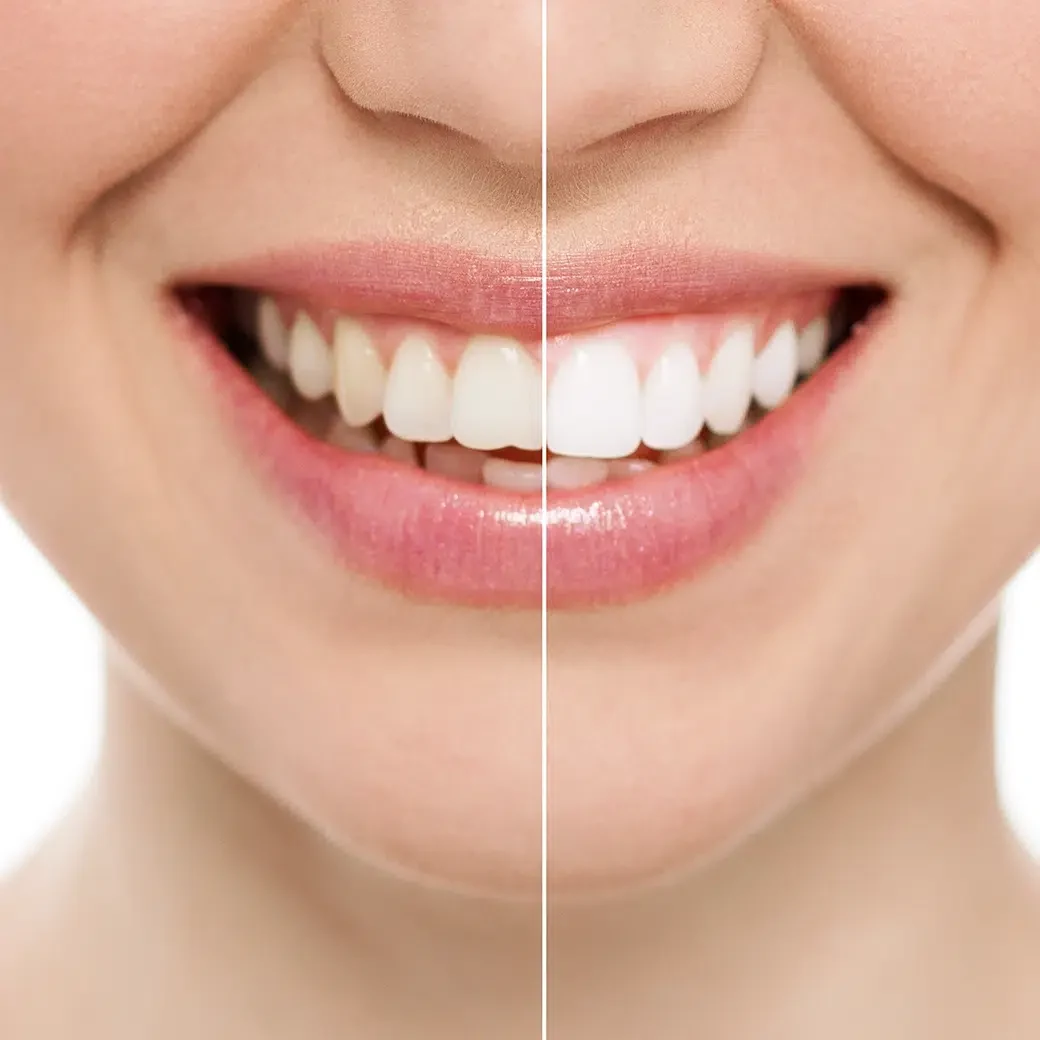
Teeth Whitening
Professional teeth whitening in Bangkok at COSDENT. Flash Whitening Laser — up to 8 shades brighter in 1 minute per tooth. Er:YAG Fotona technology, first in Thailand. Book your consultation today.
Pink Gum Treatment
Laser treatment to lighten dark gums for a healthy pink appearance.

