dental-crown
Dental Crown
Custom ceramic crowns that restore strength and beauty to damaged teeth.
Ceramic Crown
Restoration
Durable

A cracked tooth that hurts when you bite. A molar so decayed a filling simply won’t hold. A tooth that’s been through root canal treatment and now feels fragile every time you eat. These are the moments when patients come to us — worried, uncertain, and wondering if they’re about to lose a tooth they’d much rather keep.
Dental crowns are one of the most trusted solutions in restorative dentistry — a precise, durable way to rebuild a damaged tooth, restore its strength, and give it a natural appearance that blends seamlessly with your smile. At COSDENT, our experienced team has helped hundreds of patients in exactly these situations, guiding each one through treatment with clear advice, quality materials, and the kind of care that makes a real difference.
Table of contents
What is a dental crown?
Who needs a dental crown?
Types of dental crowns
The process of getting a dental crown
How long does the treatment take?
How long do dental crowns last?
Aftercare and maintenance
The COSDENT Dental Crown Promise
FAQs
Case review: See real smile restorations
What is a dental crown?
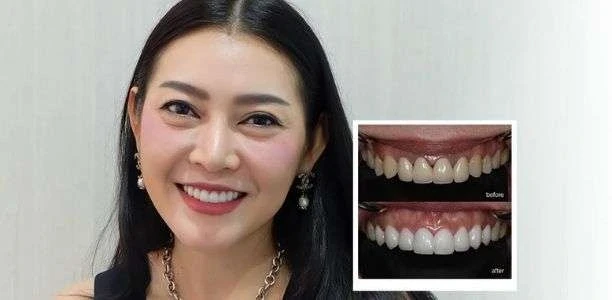
A dental crown is a custom-made cap that fits over a damaged tooth, covering it completely down to the gumline. Think of it as a protective shell: it restores the tooth’s natural shape, size, and strength while improving how it looks.
To place a crown, your dentist gently reshapes the damaged tooth, then securely bonds the crown over what remains. This protects the natural tooth structure underneath and allows you to bite and chew normally again. Crowns are a type of fixed restoration, meaning they remain fixed in place — unlike removable dentures.
Crowns can be crafted from several materials, including metal, ceramic, resin, and zirconia. The right choice depends on which tooth needs treatment, how much force it absorbs when you chew, and how natural you want it to look.
Who needs a dental crown?
Crowns are recommended when a tooth is too damaged to be repaired with a simple filling, but still has a healthy root worth saving. You may be a good candidate if you have any of the following:
Severe decay — When a tooth is too decayed to hold a filling, a crown protects the remaining structure and prevents further breakdown.
Cracked or broken teeth — A crown holds a fractured tooth together and shields it from additional damage caused by accidents or heavy chewing.
After a root canal — Teeth become more fragile once the nerve is removed. A crown reinforces the tooth so it can handle daily use.
Large or repeated fillings — When too much natural tooth has been lost to fillings, a crown restores full strength and function.
Dental implants — A crown is fitted on top of an implant to replace a missing tooth completely.
Aesthetic concerns — Crowns can correct misshapen teeth or uneven coloring, giving you a more balanced, confident smile.
If you’re unsure whether a crown is right for you, a short consultation and X-ray will give you a clear answer. Our dentists will always tell you honestly if a less invasive option would serve you better.
Types of dental crowns

Not all crowns are the same. The material affects strength, appearance, and where the crown works best. Here are the main types we offer.
Full Metal Crowns
Made from metals such as gold or nickel-chromium, these are the strongest and most durable crowns available. Chips and cracks are extremely rare. Because the metal color is obvious, they’re best suited to back teeth like molars, where chewing strength matters more than appearance.
All-Ceramic Crowns
Prized for their lifelike translucency, all-ceramic crowns closely match the color and shine of natural teeth. They’re a popular choice for front teeth and an excellent option for patients with metal allergies. Their strength is moderate, so they may not suit those who grind their teeth heavily.
Porcelain-Fused-to-Metal (PFM) Crowns
These combine a strong metal core with a ceramic outer layer. The result is greater strength than all-ceramic alone, with a natural-looking finish — a versatile, balanced choice for many cases.
Zirconia Crowns
Zirconia is a premium material that delivers both exceptional strength and natural aesthetics. It’s strong enough for the heavy biting forces of back teeth, yet beautiful enough for front teeth. For patients who want durability and a lifelike look in one solution, zirconia is often the ideal upgrade.
Resin Crowns
Made from a plastic-like resin, these crowns are more affordable but wear and break more easily. They’re typically used as temporary crowns while your final crown is being made.
Stainless Steel Crowns
These ready-made crowns are designed for children’s baby teeth. They’re quick to fit, require no impression, and simply fall out naturally when the adult tooth comes through.
Crown types comparison
Type | Strength | Appearance | Best for |
|---|---|---|---|
Zirconia | Very high | Excellent — natural look | Front & back teeth |
All-Ceramic | Moderate–High | Most natural — lifelike | Front teeth |
PFM | High | Good — versatile | Front & back teeth |
Full Metal | Highest | Metallic — visible | Back molars only |
Resin | Low | Decent | Temporary use only |
Choosing for front teeth: All-ceramic or zirconia crowns are usually best. They mimic natural enamel, resist staining, and won’t darken the gumline since they contain no metal.
Choosing for back teeth: Metal or zirconia crowns are recommended for their strength and ability to withstand heavy chewing over many years.
The process of getting a dental crown
Getting a crown usually takes one to two visits, depending on your specific case. Here’s what to expect at each stage.
1. First visit: Assessment and preparation
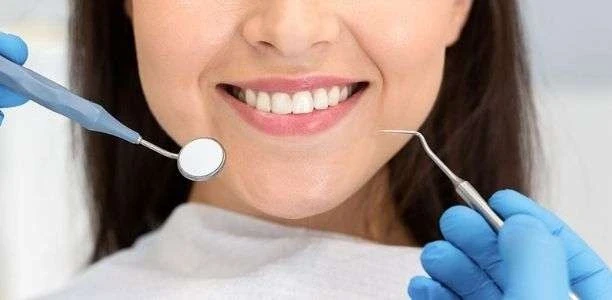
Your dentist begins by checking your gum health, examining your bite, and taking an X-ray to plan your treatment. You’ll also choose the tooth shade that best matches your smile.
Next comes preparation. Using local anesthesia to keep you comfortable, your dentist gently reshapes the tooth to make room for the crown. A digital scan or impression then captures the exact shape, so your crown can be made to fit precisely. Finally, a temporary crown is placed to protect the tooth while the final one is crafted.
2. Second visit: Fitting and bonding
About one to two weeks later, you’ll return to try on your final crown. Your dentist makes small adjustments so it sits perfectly, checks your bite, and inspects the margins where the crown meets your natural tooth. Once everything fits flawlessly, the crown is bonded securely with dental cement.
After fitting, we schedule a follow-up to make sure everything feels comfortable and is functioning well.
How long does the treatment take?
Most patients complete their crown in two appointments over one to two weeks. Simpler cases may be finished faster, while teeth that need a root canal or other preparation first may take a little longer.
For international patients planning a trip to Bangkok, this timeline matters. We’re happy to coordinate your appointments so your treatment fits comfortably within your stay, with as little waiting as possible.
How long do dental crowns last?
With proper care, dental crowns can last many years — often a decade or more, and sometimes far longer. Several factors influence their lifespan:
Material — Metal and zirconia crowns tend to be the most durable, while resin crowns wear faster.
Bite habits — Grinding or clenching (bruxism) can shorten a crown’s life. A night guard helps protect it.
Maintenance — Good daily hygiene and regular checkups keep both the crown and the tooth beneath it healthy.
A crown protects your tooth, but it doesn’t make it immune to problems. The healthier you keep your gums and the tooth underneath, the longer your crown will serve you.
Aftercare and maintenance
Caring for a crown is simple, and it’s much like looking after your natural teeth. A few small habits go a long way.
Daily care routine
Go easy for the first 24 hours — After cementation, avoid hard and sticky foods. Stick to softer meals while the bond settles.
Ease discomfort if needed — Rinsing with warm salt water (one teaspoon of salt in a glass of warm water, three times daily) can soothe the area. Take pain relief as advised if you feel mild tenderness.
Brush twice a day — Use a soft-bristled brush, just as you would with natural teeth.
Floss daily — Clean gently around the crown to keep the gumline healthy.
Rinse with mouthwash — This helps prevent bacteria from building up.
Visit every six months — Regular checkups let us confirm your crown is in great shape and catch any issues early.
A crowned tooth can still develop decay at the margins if hygiene slips. Keeping the edges clean is essential for long-term success.
FAQs
Does getting a crown hurt?
No. Your dentist uses local anesthesia during tooth preparation, so you won’t feel pain. Afterward, some patients notice mild tenderness around the tooth or gum, which is normal and eases quickly. Pain relief can help if needed.
Will my tooth feel sensitive afterward?
Some sensitivity to hot and cold is common in the days after treatment, but it usually fades on its own. In the meantime, try to avoid very hot, very cold, or highly acidic foods and drinks.
Can a crown be placed on any tooth?
Yes. Crowns work on front teeth, molars, and premolars. The material is chosen to match each tooth’s needs — beauty for front teeth, strength for back teeth.
What’s the difference between a crown and a veneer?
A crown covers the entire tooth and restores both function and appearance, making it ideal for badly damaged teeth. A veneer is a thin shell bonded to the front surface, mainly for cosmetic improvements on relatively healthy teeth.
Can a crowned tooth still get cavities?
Yes. The crown itself won’t decay, but the natural tooth beneath it can — especially at the margins. Good hygiene and regular checkups prevent this.
The COSDENT Dental Crown Promise
Choosing where to have your crown made matters just as much as the crown itself. At COSDENT, our confidence comes from how carefully we work, not from shortcuts.
Careful planning — Every treatment starts with a thorough assessment of your gums, bite, and tooth structure, supported by X-rays and digital records.
Precision fit — We focus on accurate margins and a comfortable bite, because a well-fitted crown protects your tooth and lasts longer.
Quality materials — From durable zirconia to lifelike all-ceramic, we help you choose the material best suited to your tooth and your goals.
Follow-up care — We schedule check-ins after fitting to make sure everything feels right, and we welcome you back for regular reviews.
Support for international patients — If you’re traveled to Bangkok for treatment, we’re here to answer questions and guide your aftercare — even after you’ve returned home.
Our goal is straightforward: to give you a crown that feels natural, functions beautifully, and earns your trust.
Ready to restore your smile?
A strong, natural-looking smile may be just one or two visits away. Whether you live in Bangkok or you’re planning a trip for premium dental care, our experienced team would be glad to welcome you.
The next step is simple: book a consultation. We’ll assess your tooth, explain your options clearly, and recommend the approach that’s truly right for you — no pressure, just honest guidance.
Book your dental crown consultation at COSDENT today and take the first step toward a restored, confident smile.
Frequently Asked Questions
Everything you need to know about your treatment at COSDENT in Bangkok.
How long do veneers last?
Ceramic veneers can last 15 to 20 years. With good care, many last beyond 20 years. These are realistic ranges, not guarantees. Lifespan depends heavily on how well you care for them and whether you attend regular check-ups.
What to do if a veneer chips or cracks?
Small chips on composite veneers can often be repaired in a single visit. For ceramic veneers, a replacement is typically needed, and the process is straightforward and your original records are kept on file at COSDENT. Contact us and we'll assess from photos before you travel back.
What to do if a veneer comes off completely?
Keep the veneer safe and do not throw it away. In many cases it can be re-bonded. Avoid eating on that side and contact your dentist promptly. This is uncommon with well-bonded veneers, but if it happens, it's a quick fix when handled early.
What to do when you're abroad and something feels off?
COSDENT provides remote aftercare support for international patients. Send us a photo via Whatsapp or online consultation so our team will advise whether it needs immediate attention or can wait until your next visit. You're never left without support after leaving Bangkok.
Can I complete treatment in a single trip to Bangkok?
Some treatments may fit one trip, while others need healing or staged visits. COSDENT confirms the sequence and review needs after assessment.
How do I pay as an international patient?
Payment methods and any available promotions can change. Ask COSDENT to confirm the current options and terms before booking.
How is treatment suitability confirmed?
Suitability, risks, timing and the final fee are confirmed by the treating dentist after reviewing your examination and any necessary records.

Dental Veneers
Dental Veneers in Bangkok at COSDENT—natural smile design with Porcelain Veneers, clear pricing & expert care. Book your consultation today.
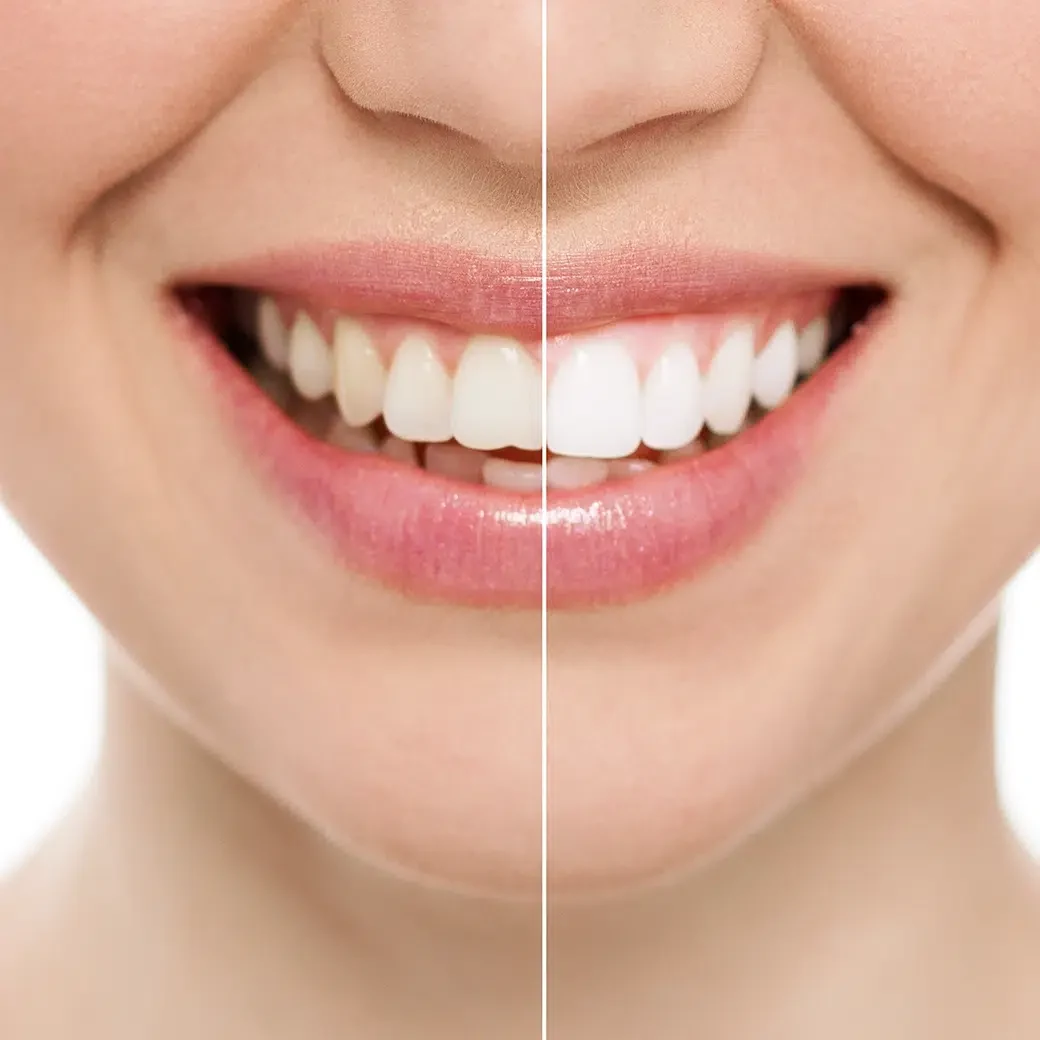
Teeth Whitening
Professional teeth whitening in Bangkok at COSDENT. Flash Whitening Laser — up to 8 shades brighter in 1 minute per tooth. Er:YAG Fotona technology, first in Thailand. Book your consultation today.
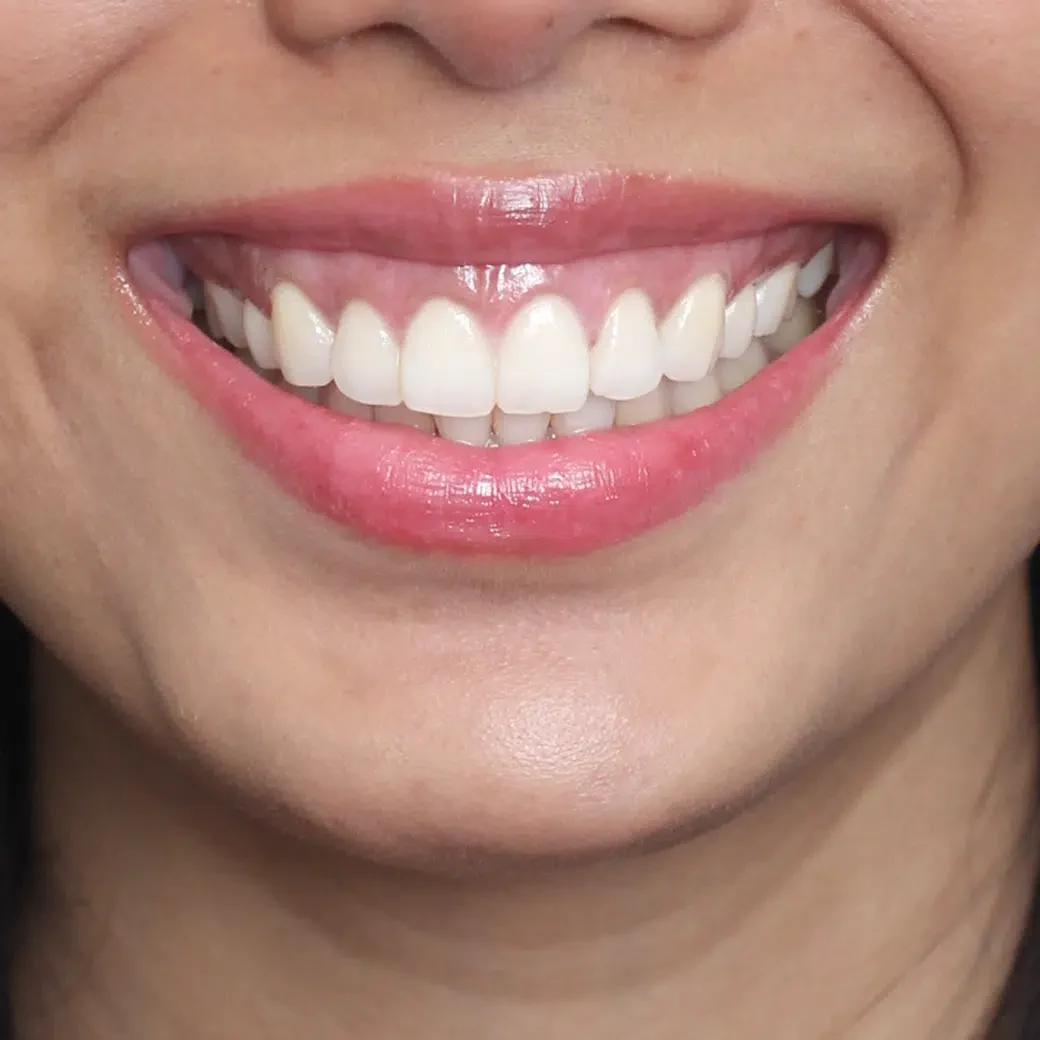
Pink Gum Treatment
Laser treatment to lighten dark gums for a healthy pink appearance.

