root-canal-treatment
Root Canal Treatment
Tooth-saving root canal care with diagnosis, cleaning, sealing and restoration planning tailored to each case.
Tooth Saving
Endodontic Care
Restoration Planning
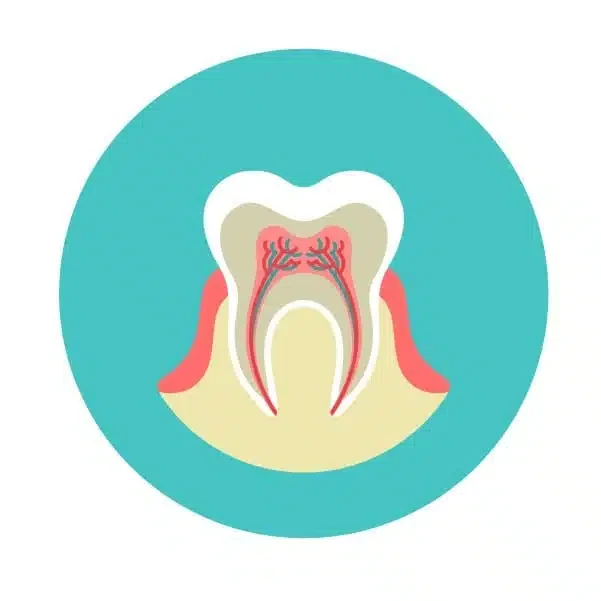
Root canal treatment can save a tooth when the pulp inside it is inflamed or infected. The dentist removes the affected tissue, cleans the canals and seals them so the natural tooth can often remain in place.
The plan depends on the tooth, the extent of infection, your symptoms and the restoration it will need afterwards. This guide covers the usual steps, visit planning and aftercare. An examination and dental imaging are needed before the clinic can confirm your treatment plan.
Table of contents
What root canal treatment does
When a tooth may need it
Assessment and diagnosis
Typical treatment stages
Visits, timing and the final restoration
Aftercare and warning signs
Frequently asked questions
What does root canal treatment do?
Inside every tooth is a space containing the pulp, which includes nerves and blood vessels. Deep decay, a crack, a large filling or an injury can allow bacteria to reach it. Root canal treatment removes the inflamed or infected pulp, disinfects the canals and seals the space so the tooth can continue to function.
When might a tooth need a root canal?
Possible signs include sensitivity to hot or cold that lingers, pain when biting, spontaneous toothache, swelling near the gum, a recurring pimple on the gum or a tooth that has darkened. Some infections cause few symptoms, so an examination and imaging are important even when pain is mild.
These symptoms can have other causes. Do not self-diagnose. A dentist should identify the source and discuss whether a root canal, filling, crown, gum treatment or another option is appropriate.
Assessment and diagnosis
The dentist reviews your symptoms and medical history, examines the tooth and may test its response to temperature or pressure. Dental X-rays or other imaging help show the roots, infection and surrounding bone. Before treatment begins, the dentist explains whether the tooth can be restored and what final restoration will protect it.
Typical treatment stages
The tooth is numbed and isolated. A small opening gives the dentist access to the pulp space.
The inflamed or infected tissue is removed, and the canals are cleaned and shaped with fine instruments and disinfecting steps.
Once the canals are ready, they are filled and sealed to reduce the chance of reinfection.
The access opening is restored. A filling or crown may be recommended based on how much tooth structure remains and how much biting force the tooth receives.
The dentist reviews healing, comfort and the function of the final restoration.
Visits, timing and the final restoration
Some straightforward cases can be completed in one visit. Teeth with complex canals, significant infection or a need for medication may require more than one. The time between visits and the length of each appointment are decided after examination, so international patients should wait for a confirmed plan before arranging flights.
A root-filled tooth can become more fragile because decay or an earlier restoration may have removed substantial structure. Your dentist will explain whether a crown or another protective restoration is advisable and when it should be placed.
Aftercare and warning signs
Mild tenderness when biting can occur for a short period after treatment. Follow the clinic's instructions, use only recommended medication, keep the area clean and avoid chewing hard foods on the tooth until the permanent restoration is complete if you have been advised to do so.
Contact the clinic promptly if swelling increases, pain becomes severe, the temporary filling comes out, or you develop fever or difficulty swallowing. Regular check-ups help monitor the tooth and the surrounding gums.
Frequently asked questions
Is root canal treatment painful?
Local anaesthetic is used to keep you comfortable during treatment. A tooth may feel tender afterwards, but your dentist will explain what to expect and how to manage it safely.
Can an infected tooth heal without treatment?
An infection inside the pulp does not reliably resolve on its own. Delaying care can allow it to spread, so arrange an examination if symptoms persist or return.
How many visits will I need?
The number of visits varies with the tooth's anatomy, infection and restoration plan. The clinic can give you a more useful estimate after imaging and examination.
Will I need a crown?
Possibly. Back teeth and teeth with substantial loss of structure often need additional protection, but the recommendation is individual and is confirmed after the tooth is assessed.
Can I travel for root canal treatment?
You can discuss dental travel with the clinic, but wait for a confirmed schedule and allow time for any review or restoration. The safest timing depends on your diagnosis and response.
How do I arrange an assessment?
Contact COSDENT Smile Design to request an examination and discuss the next step for your tooth.
Clinical recommendations, appointment timing, package details and pricing can change. Confirm the latest information with COSDENT Smile Design before starting treatment.
Frequently Asked Questions
Everything you need to know about your treatment at COSDENT in Bangkok.
How long do veneers last?
Ceramic veneers can last 15 to 20 years. With good care, many last beyond 20 years. These are realistic ranges, not guarantees. Lifespan depends heavily on how well you care for them and whether you attend regular check-ups.
What to do if a veneer chips or cracks?
Small chips on composite veneers can often be repaired in a single visit. For ceramic veneers, a replacement is typically needed, and the process is straightforward and your original records are kept on file at COSDENT. Contact us and we'll assess from photos before you travel back.
What to do if a veneer comes off completely?
Keep the veneer safe and do not throw it away. In many cases it can be re-bonded. Avoid eating on that side and contact your dentist promptly. This is uncommon with well-bonded veneers, but if it happens, it's a quick fix when handled early.
What to do when you're abroad and something feels off?
COSDENT provides remote aftercare support for international patients. Send us a photo via Whatsapp or online consultation so our team will advise whether it needs immediate attention or can wait until your next visit. You're never left without support after leaving Bangkok.
Can I complete treatment in a single trip to Bangkok?
Some treatments may fit one trip, while others need healing or staged visits. COSDENT confirms the sequence and review needs after assessment.
How do I pay as an international patient?
Payment methods and any available promotions can change. Ask COSDENT to confirm the current options and terms before booking.
How is treatment suitability confirmed?
Suitability, risks, timing and the final fee are confirmed by the treating dentist after reviewing your examination and any necessary records.

Dental Veneers
Dental Veneers in Bangkok at COSDENT—natural smile design with Porcelain Veneers, clear pricing & expert care. Book your consultation today.
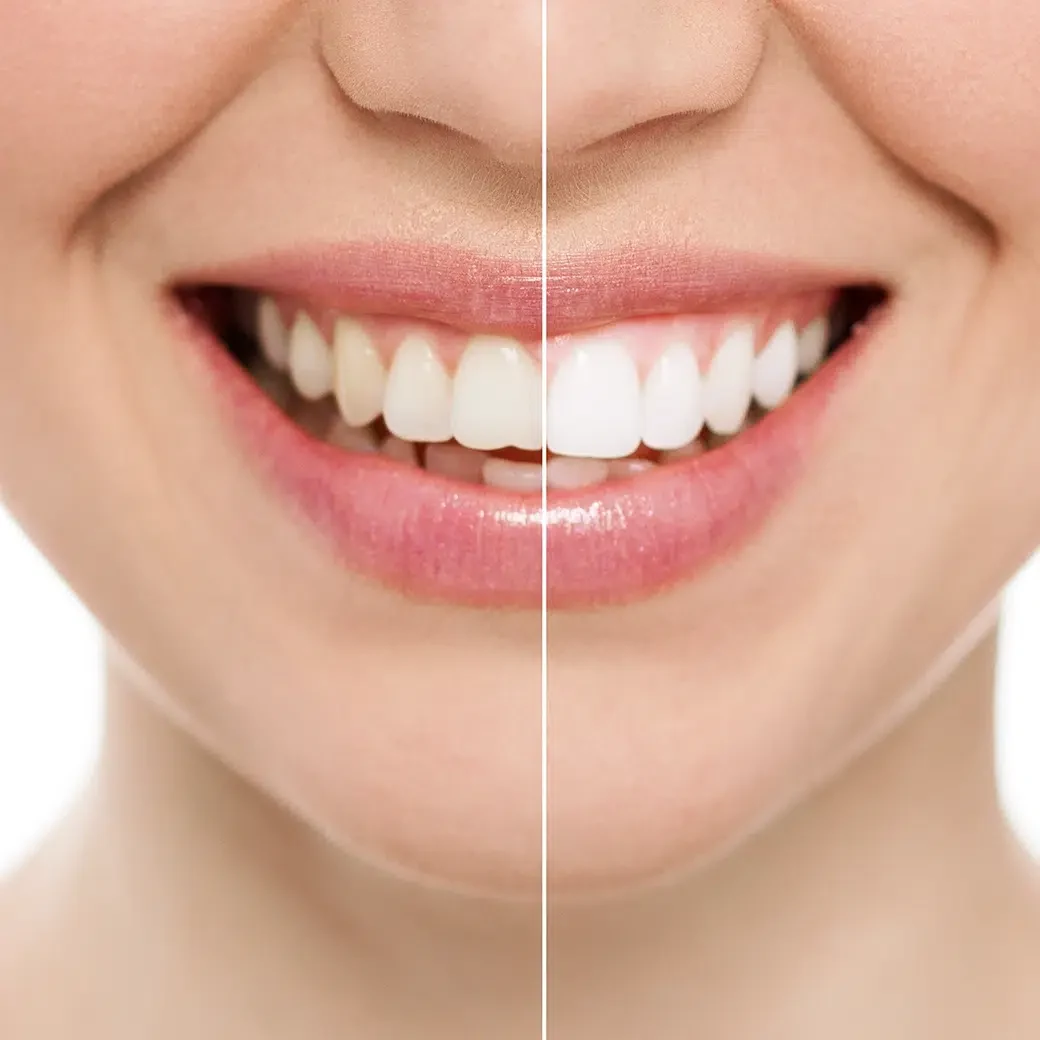
Teeth Whitening
Professional teeth whitening in Bangkok at COSDENT. Flash Whitening Laser — up to 8 shades brighter in 1 minute per tooth. Er:YAG Fotona technology, first in Thailand. Book your consultation today.

Pink Gum Treatment
Laser treatment to lighten dark gums for a healthy pink appearance.

