periodontics
Periodontics & Gum Treatment
Specialist periodontal care in Bangkok for bleeding gums, gingivitis, periodontitis, deep scaling & root planing and gum health stabilisation at COSDENT.
Gum Disease
Gingivitis
Specialized Care
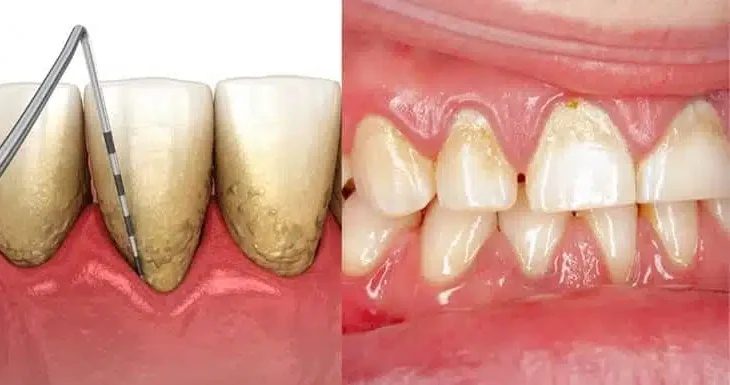
Healthy gums and jawbone are the foundation beneath every natural tooth, porcelain veneer, crown, and dental implant. Because gum disease typically progresses without sharp toothache, many adults dismiss bleeding when brushing or persistent bad breath until the supporting bone around the roots has already begun to recede. At COSDENT Smile Design in Bangkok, our periodontal clinicians diagnose and treat gum inflammation across every stage, from reversible gingivitis to advanced periodontitis, at our Siam and Rama 9 clinics.
Whether you need targeted deep cleaning (scaling and root planing), supportive periodontal maintenance, or gum stabilisation before starting cosmetic veneers or orthodontics, this guide explains how periodontal care works and what your treatment plan involves.
Table of contents
Warning signs that your gums need a periodontal assessment
Stages of gum disease: Gingivitis vs Periodontitis
How our periodontists diagnose gum and bone health
Non-surgical and surgical periodontal treatments at COSDENT
Routine scaling vs Periodontal Root Planing (Deep Cleaning)
Why gum disease must be stabilised before veneers, implants or braces
Supportive periodontal maintenance and home care
Frequently asked questions
Warning signs that your gums need a periodontal assessment
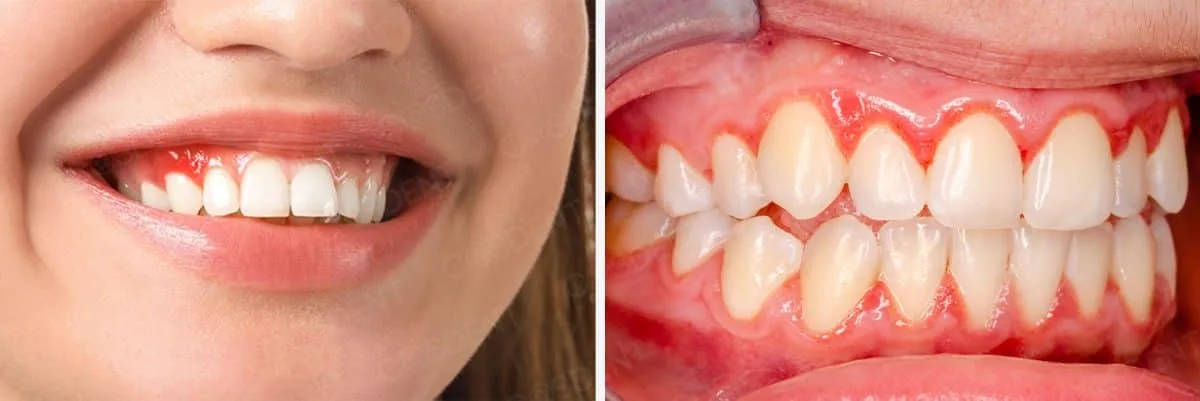
Healthy gum tissue is firm, pale pink (or evenly pigmented according to your natural complexion), and does not bleed when you brush or floss. Arrange a periodontal evaluation if you notice any of the following:
Bleeding when brushing, flossing, or biting firm foods (even if there is zero pain).
Red, puffy, swollen, or tender gum margins that have lost their firm knife-edge contour.
Persistent bad breath (halitosis) or a metallic/unpleasant taste caused by anaerobic bacteria inside deep gum pockets.
Gum recession making teeth look longer, exposing yellowish root surfaces, or creating dark triangular spaces ("black triangles") between teeth.
Pus oozing from the gumline, shifting front teeth, or teeth that feel slightly loose when biting.
Stages of gum disease: Gingivitis vs Periodontitis
Understanding where your gums sit on the clinical spectrum explains why treatment differs between an early hygiene visit and specialist periodontal therapy:
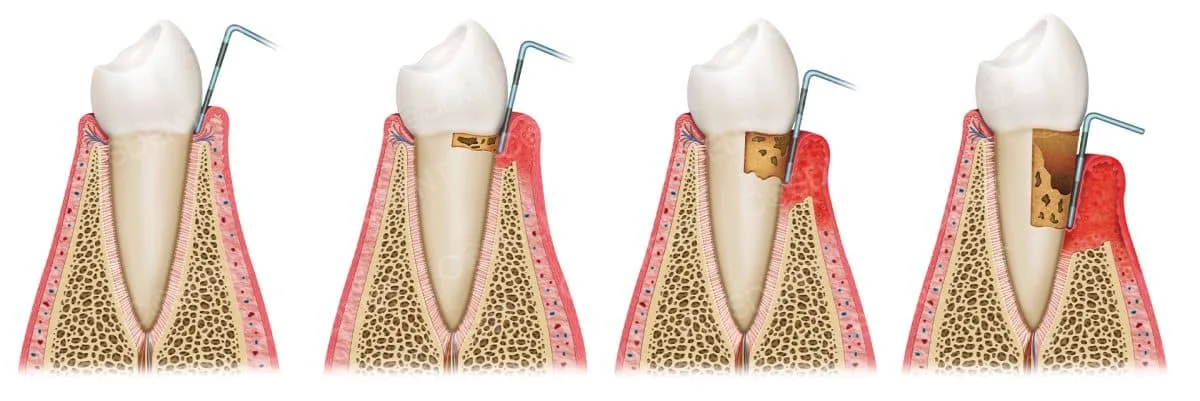
Stage 1, Gingivitis (Reversible Gum Inflammation): Plaque and tartar along the gumline irritate the superficial gingival tissue, causing redness, swelling, and bleeding. Crucially, the underlying bone and periodontal ligament fibres are still intact. Professional ultrasonic scaling, Airflow biofilm removal, and improved daily flossing can reverse gingivitis completely.
Stage 2, Mild to Moderate Periodontitis: When subgingival tartar remains below the gumline, the body's chronic inflammatory response begins breaking down the periodontal attachment and alveolar bone. The normal 1–3 mm sulcus deepens into a 4–6 mm periodontal pocket where toothbrush bristles cannot reach, requiring quadrant or localized root planing.
Stage 3, Severe / Advanced Periodontitis: Pocket depths exceed 6 mm with substantial vertical or horizontal bone loss, furcation involvement between molar roots, gum recession, and tooth mobility. Comprehensive periodontal therapy, splinting, or surgical pocket reduction is required to halt further tooth loss.
How our periodontists diagnose gum and bone health
At your COSDENT periodontal consultation, diagnosis goes beyond a quick visual glance:
6-point periodontal charting: Using a calibrated millimetre probe, the clinician gently measures the pocket depth around six sites on every tooth, recording bleeding points, gum recession, and furcation areas.
Digital radiographic bone evaluation: Bitewing, periapical, or panoramic X-rays show the exact height and contour of the alveolar bone crest between every root.
Systemic & lifestyle risk review: Evaluating factors that accelerate periodontal breakdown, including smoking/vaping, diabetes, hormonal changes, night-time tooth grinding, and overhanging old fillings or crowns.
Routine scaling vs Periodontal Root Planing (Deep Cleaning)
Feature | Routine Scaling & Cleaning | Periodontal Scaling & Root Planing (Deep Cleaning) |
|---|---|---|
Target condition | Healthy gums or reversible gingivitis (pockets ≤ 3 mm) | Periodontitis with subgingival tartar & bone loss (pockets ≥ 4 mm) |
Where it cleans | Tooth crowns above and just at the gum margin | Deep inside periodontal pockets along the root surfaces |
Anaesthesia | Usually none required (or topical gel for sensitive spots) | Local anaesthesia used by quadrant/section for comfort |
Appointments needed | 1 visit (30–45 minutes) | 1 to 4 visits (often divided by mouth quadrant/half) + 4–6 week re-evaluation |
Ongoing maintenance | Every 6 months | Supportive Periodontal Therapy (SPT) every 3–4 months |
Why gum disease must be stabilised before veneers, implants or braces
If you are visiting Bangkok for cosmetic dentistry, our clinicians always check your periodontal foundation first:
Before Porcelain Veneers or Crowns: Placing veneers against swollen, bleeding gums prevents accurate digital scanning and moisture-free adhesive bonding, and as inflamed gums later shrink or recede, the veneer margin can become exposed. Read our dedicated article on getting veneers when you have gum disease.
Before Orthodontics: Moving teeth with Invisalign or braces while active periodontal inflammation is present can rapidly accelerate bone loss around the roots.
Before Dental Implants: Periodontal bacteria from untreated natural teeth can colonise a newly placed dental implant and cause peri-implantitis.
Supportive periodontal maintenance and home care
After scaling and root planing, the gum tissue heals and tightens around the clean root surfaces over 4 to 6 weeks, reducing pocket depths. Because periodontal bacteria re-establish in deep crevices within 90 to 120 days, patients who have had periodontitis are typically placed on a 3- to 4-month Supportive Periodontal Therapy (SPT) schedule, paired with daily interdental brushes sized specifically to the spaces between their teeth.
Frequently asked questions
Can bone lost to periodontal disease grow back naturally?
Horizontal bone loss from chronic periodontitis does not grow back on its own once resorbed; the primary goal of root planing and periodontal maintenance is to stop the infection so bone loss halts and your gums re-attach firmly to the root. In specific localized vertical bone defects, your periodontist can assess whether regenerative bone grafting or guided tissue regeneration is an option.
Is deep cleaning (scaling and root planing) painful?
Because root planing reaches beneath the gumline along sensitive root surfaces, our periodontist numbs the area with local anaesthesia before starting so the procedure is comfortable. Mild root sensitivity to cold liquids and slight gum tenderness for a few days afterward are normal and managed with desensitizing toothpaste and warm saltwater rinses.
How many days do I need in Bangkok for periodontal treatment?
Initial periodontal charting, X-rays, and localized or half-mouth root planing can be completed within 2 to 5 days in Bangkok (often split across two appointments so your whole mouth is not numb at once). Long-term pocket re-evaluation takes place 4 to 6 weeks later either at COSDENT or with your local periodontist at home.
How do I book a periodontal assessment at COSDENT?
Contact COSDENT Smile Design to schedule a gum health and periodontal examination at our Siam or Rama 9 clinic in Bangkok, or check our pricing page for general fee guidance.
Periodontal diagnosis, number of root-planing sessions, prognosis and exact fees are confirmed after full-mouth pocket probing and radiographic assessment.
Frequently Asked Questions
Everything you need to know about your treatment at COSDENT in Bangkok.
How long do veneers last?
Ceramic veneers can last 15 to 20 years. With good care, many last beyond 20 years. These are realistic ranges, not guarantees. Lifespan depends heavily on how well you care for them and whether you attend regular check-ups.
What to do if a veneer chips or cracks?
Small chips on composite veneers can often be repaired in a single visit. For ceramic veneers, a replacement is typically needed, and the process is straightforward and your original records are kept on file at COSDENT. Contact us and we'll assess from photos before you travel back.
What to do if a veneer comes off completely?
Keep the veneer safe and do not throw it away. In many cases it can be re-bonded. Avoid eating on that side and contact your dentist promptly. This is uncommon with well-bonded veneers, but if it happens, it's a quick fix when handled early.
What to do when you're abroad and something feels off?
COSDENT provides remote aftercare support for international patients. Send us a photo via Whatsapp or online consultation so our team will advise whether it needs immediate attention or can wait until your next visit. You're never left without support after leaving Bangkok.
Can I complete treatment in a single trip to Bangkok?
Some treatments may fit one trip, while others need healing or staged visits. COSDENT confirms the sequence and review needs after assessment.
How do I pay as an international patient?
Payment methods and any available promotions can change. Ask COSDENT to confirm the current options and terms before booking.
How is treatment suitability confirmed?
Suitability, risks, timing and the final fee are confirmed by the treating dentist after reviewing your examination and any necessary records.

Dental Veneers
Dental Veneers in Bangkok at COSDENT—natural smile design with Porcelain Veneers, clear pricing & expert care. Book your consultation today.
Teeth Whitening
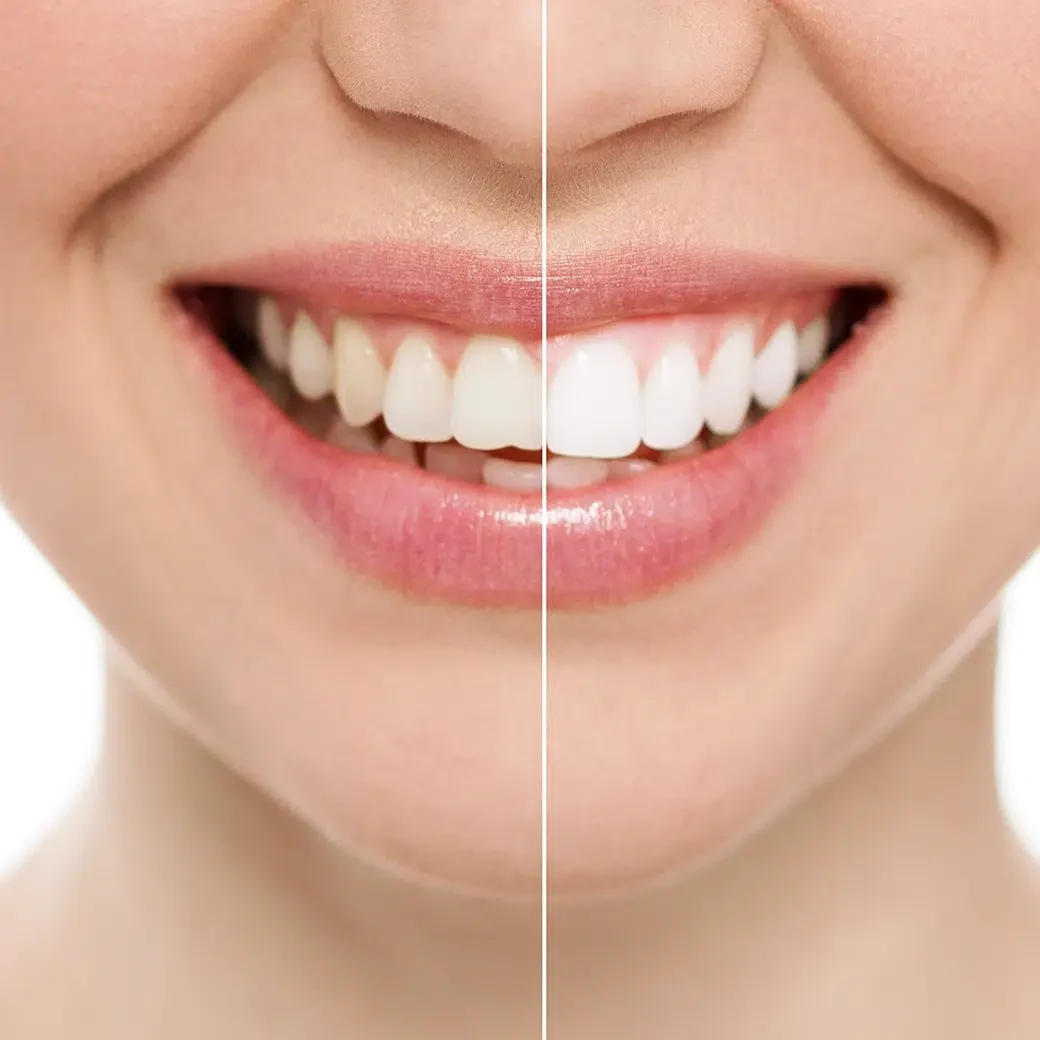
Professional teeth whitening in Bangkok at COSDENT. Flash Whitening Laser — up to 8 shades brighter in 1 minute per tooth. Er:YAG Fotona technology, first in Thailand. Book your consultation today.
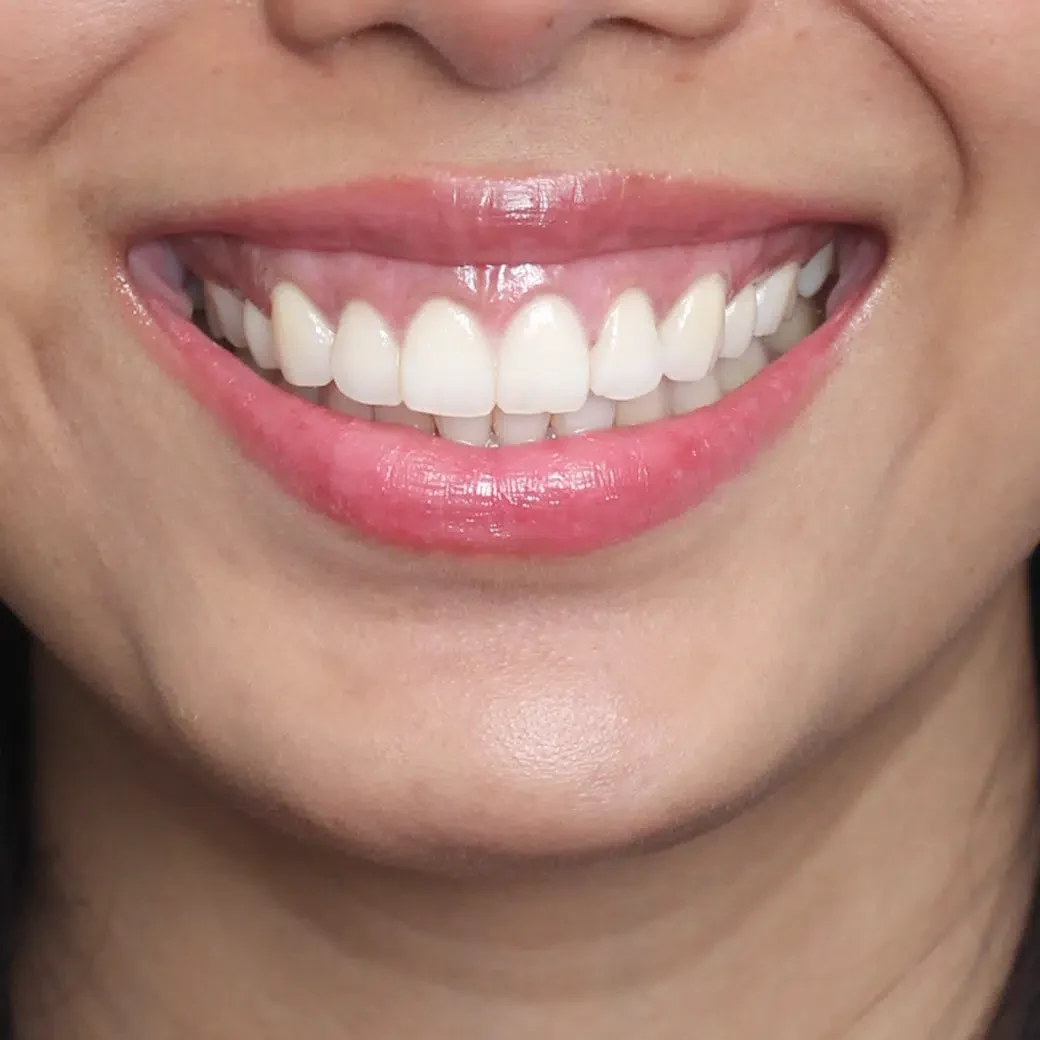
Pink Gum Treatment
Laser treatment to lighten dark gums for a healthy pink appearance.

