dental-implants
Dental Implants
3D CBCT-planned titanium dental implants in Bangkok to replace single or multiple missing teeth with custom ceramic crowns at COSDENT Smile Design.
Fixed restoration
Natural Feel
Titanium
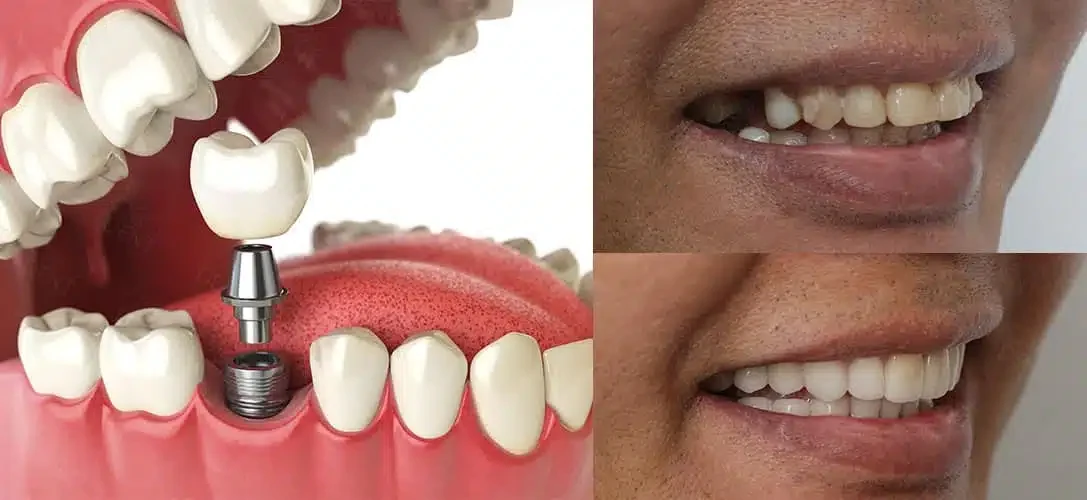
Losing a tooth affects far more than a gap in your smile, neighbouring teeth gradually tip into the empty space, opposing teeth over-erupt, and the jawbone beneath the missing root slowly resorbs from lack of chewing stimulation. At COSDENT Smile Design in Bangkok, Dental Implants are planned from the final restoration backward ("prosthetically driven implantology"), combining 3D Cone Beam CT (CBCT) imaging, surgical specialists, and custom all-ceramic or zirconia crowns so the replacement tooth functions comfortably and blends naturally with your gumline.
Because a dental implant integrates biologically with your living jawbone (osseointegration), careful diagnostic planning and realistic travel scheduling are essential. This guide covers implant anatomy, candidacy, bone grafting, treatment stages, risks, and how international patients plan two-stage implant trips to Bangkok.
Table of contents
The 3 parts of a dental implant restoration
Single crown, implant bridge and full-arch options
Dental implant vs fixed bridge vs removable denture
3D CBCT assessment, bone grafting and sinus lifts
Step-by-step dental implant timeline (and why two trips are usually needed)
Medical suitability, risks and long-term maintenance
Pricing and travel planning in Bangkok
Frequently asked questions
The 3 parts of a dental implant restoration
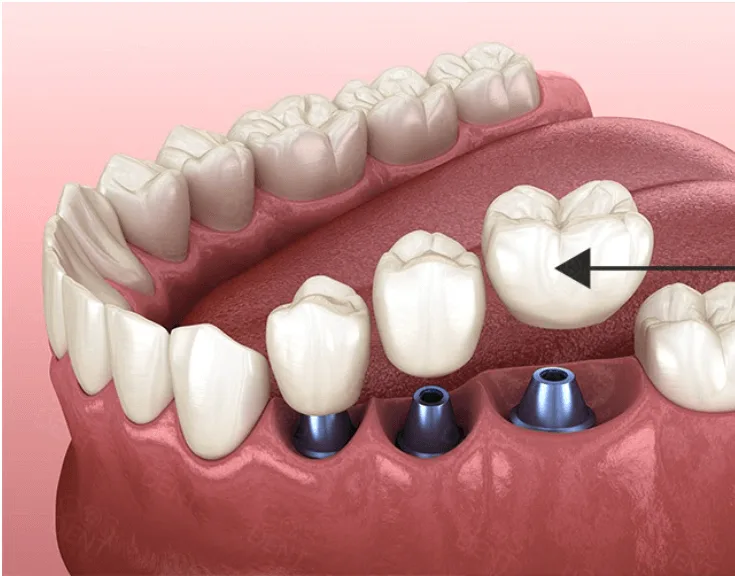
When patients talk about a "dental implant," they are usually referring to a three-component system that mimics a natural tooth from root to crown:
The Implant Fixture (Artificial Root): A biocompatible medical-grade titanium (or titanium-zirconium alloy) threaded post placed surgically into the jawbone where the natural tooth root used to sit. Over 3 to 6 months, bone cells fuse directly to its microscopic surface texture in a process called osseointegration.
The Abutment (Connector): A precision-milled titanium or custom zirconia post that attaches to the internal connection of the integrated implant and emerges through the gumline to support the visible tooth.
The Implant Crown, Bridge, or Prosthesis: The custom-crafted zirconia or porcelain crown (either screw-retained or cement-retained) shaped and shaded to match your neighbouring teeth.
Single crown, implant bridge and full-arch options
Single-Tooth Implant: Replaces one missing front or back tooth without grinding down healthy adjacent teeth for a bridge.
Implant-Supported Bridge: When 3 or 4 adjacent teeth are missing, two implants can often support a 3- or 4-unit fixed ceramic bridge, restoring chewing strength without needing an implant for every single missing root.
Implant-Retained Overdenture or Full-Arch Restoration: For patients missing all teeth in an arch, 2 to 6 implants can anchor a snap-in overdenture or a fixed full-arch bridge so dentures no longer slip when speaking or eating.
Dental implant vs fixed bridge vs removable denture
Comparison Factor | Dental Implant + Crown | Traditional Tooth-Supported Bridge | Removable Partial Denture |
|---|---|---|---|
Impact on adjacent teeth | None, neighbouring teeth remain untouched | Adjacent teeth must be reshaped to act as bridge anchors | Clasps rest on adjacent teeth; can increase plaque load |
Jawbone preservation | Stimulates bone through chewing; helps reduce bone resorption | Bone beneath the missing pontic tooth can gradually resorb | Does not prevent underlying ridge resorption |
Chewing feel & stability | Fixed in bone; feels and functions like a natural tooth | Fixed and stable; requires threading floss under the bridge | Removable; lower chewing force than fixed options |
Treatment timeline | 3–6+ months across 2 stages for bone integration | 1–2 weeks (2 visits) | 1–3 weeks depending on framework |
3D CBCT assessment, bone grafting and sinus lifts
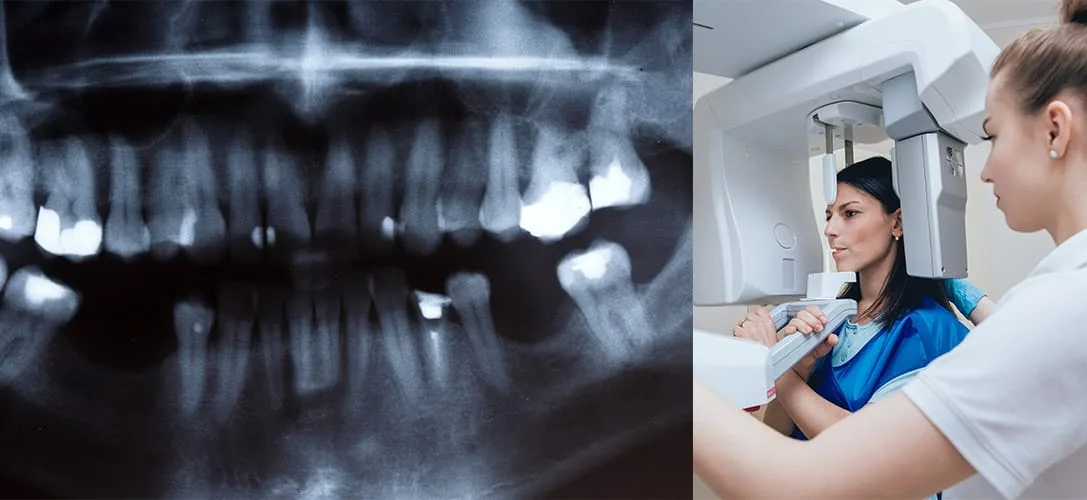
Safe implant placement requires knowing the exact height, width, and density of your jawbone as well as the exact path of the inferior alveolar nerve (in the lower jaw) and the maxillary sinus floor (in the upper jaw). At COSDENT, planning includes a 2D panoramic X-ray and a 3D CBCT scan.
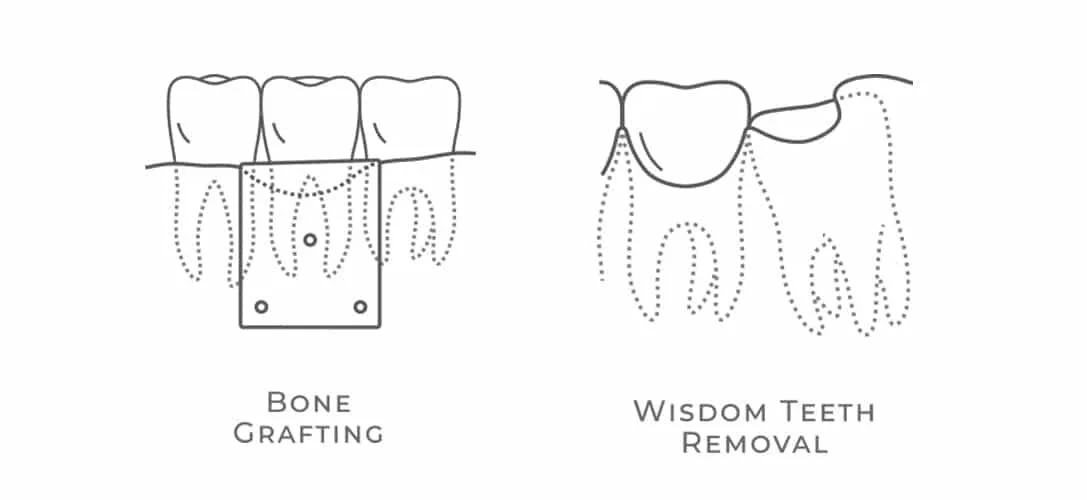
If a tooth has been missing for a long time or was lost due to infection, periodontal bone loss, or trauma, preparatory site development may be needed before or during implant placement:
Socket preservation & guided bone regeneration (Bone Grafting): Placing particulate bone graft material and a collagen membrane to rebuild ridge width or height so the implant is fully surrounded by healthy bone.
Sinus floor elevation (Sinus Lift): When replacing upper back molars where the sinus cavity has expanded downward, gently lifting the sinus membrane and placing bone graft material creates vertical bone height for the implant.
Step-by-step dental implant timeline (and why two trips are usually needed)
For international patients travelling to Bangkok, it is vital to understand that conventional dental implant treatment is staged across two separate trips (unless an immediate-load protocol is specifically confirmed by your surgeon):
Trip 1, Surgical Placement (Stay ~5 to 10 days in Bangkok): Includes your clinical examination, 3D CBCT scan, any necessary tooth extraction or minor bone grafting, surgical placement of the titanium implant under local anaesthesia, and a post-op check/suture review 5 to 7 days later. If the missing tooth is in your visible front smile zone, a temporary removable flipper or provisional bridge can be made so you do not travel home with a visible gap.
Osseointegration Healing Interval (3 to 6 months at home): The bone fuses securely to the implant fixture beneath the gumline. Cases with extensive bone grafting or sinus lifts may require 6+ months before loading.
Trip 2, Digital Impression & Final Crown Fitting (Stay ~7 to 10 days in Bangkok): Your dentist verifies implant stability, places a healing collar/abutment, takes a digital 3D scan, and fits your custom zirconia or ceramic implant crown after checking your bite and contacts.
Medical suitability, risks and long-term maintenance
Before recommending surgery, your dentist reviews your full medical history. Active periodontal disease must be treated first, as bacteria from gum pockets can colonise implant surfaces and cause peri-implantitis (bone loss around an implant). Heavy smoking, uncontrolled diabetes, prior head/neck radiation, or intravenous bisphosphonate therapy increase the risk of implant integration failure and must be discussed openly with your surgeon.
Once restored, care for your dental implant just as carefully as natural teeth: brush twice daily, clean around the implant crown neck with floss or interdental brushes, wear a night guard if you grind your teeth, and attend 6-month dental check-ups and Airflow biofilm maintenance.
Pricing and travel planning in Bangkok
The total investment for a dental implant in Bangkok depends on the implant system selected, whether bone grafting, membrane placement, or a sinus lift is required, and the final crown or bridge design. Send your existing panoramic X-ray or CBCT scan to our team via WhatsApp, LINE, or email before booking flights so our implant specialist can provide a preliminary stage plan and fee estimate, or review our general pricing page.
Frequently asked questions
Can a dental implant be placed on the same day a tooth is extracted?
In selected cases where there is no acute infection and the surrounding socket bone is intact and thick enough to grip the implant (primary stability), immediate implant placement at the time of extraction is possible. However, if an infection or bone defect is present, extracting the tooth and allowing the bone graft to heal for 2 to 4 months before placing the implant is safer and more predictable.
Is dental implant surgery painful?
Implant placement is performed under local anaesthesia after careful 3D planning, so you feel vibration and pressure rather than sharp pain during the procedure. Post-operative soreness and mild swelling for 3 to 5 days are normal and managed with prescribed analgesics, antibiotics, and cold packs, many patients report that placing a single implant into healed bone feels easier than a surgical tooth extraction.
How long do dental implants last?
When integrated into healthy bone and maintained with daily interdental cleaning, non-smoking habits, and 6-month professional check-ups, the titanium implant fixture can function for many years or decades, though the porcelain/zirconia crown on top may eventually need maintenance or replacement due to normal chewing wear.
What if my natural tooth can still be saved?
If a damaged tooth still has a restorable root and sound bone support, saving your natural tooth with root canal treatment and a dental crown is often the first choice. Our dentists will always tell you if your tooth can be predictably preserved before recommending extraction and an implant.
How do I arrange a dental implant consultation at COSDENT?
Contact COSDENT Smile Design to schedule a 3D CBCT assessment at our Siam or Rama 9 clinic in Bangkok.
Implant suitability, need for bone grafting or sinus elevation, healing intervals and exact fees depend on 3D radiographic findings and are confirmed after an in-person surgical and prosthodontic assessment.
Frequently Asked Questions
Everything you need to know about your treatment at COSDENT in Bangkok.
How long do veneers last?
Ceramic veneers can last 15 to 20 years. With good care, many last beyond 20 years. These are realistic ranges, not guarantees. Lifespan depends heavily on how well you care for them and whether you attend regular check-ups.
What to do if a veneer chips or cracks?
Small chips on composite veneers can often be repaired in a single visit. For ceramic veneers, a replacement is typically needed, and the process is straightforward and your original records are kept on file at COSDENT. Contact us and we'll assess from photos before you travel back.
What to do if a veneer comes off completely?
Keep the veneer safe and do not throw it away. In many cases it can be re-bonded. Avoid eating on that side and contact your dentist promptly. This is uncommon with well-bonded veneers, but if it happens, it's a quick fix when handled early.
What to do when you're abroad and something feels off?
COSDENT provides remote aftercare support for international patients. Send us a photo via Whatsapp or online consultation so our team will advise whether it needs immediate attention or can wait until your next visit. You're never left without support after leaving Bangkok.
Can I complete treatment in a single trip to Bangkok?
Some treatments may fit one trip, while others need healing or staged visits. COSDENT confirms the sequence and review needs after assessment.
How do I pay as an international patient?
Payment methods and any available promotions can change. Ask COSDENT to confirm the current options and terms before booking.
How is treatment suitability confirmed?
Suitability, risks, timing and the final fee are confirmed by the treating dentist after reviewing your examination and any necessary records.

Dental Veneers
Dental Veneers in Bangkok at COSDENT—natural smile design with Porcelain Veneers, clear pricing & expert care. Book your consultation today.
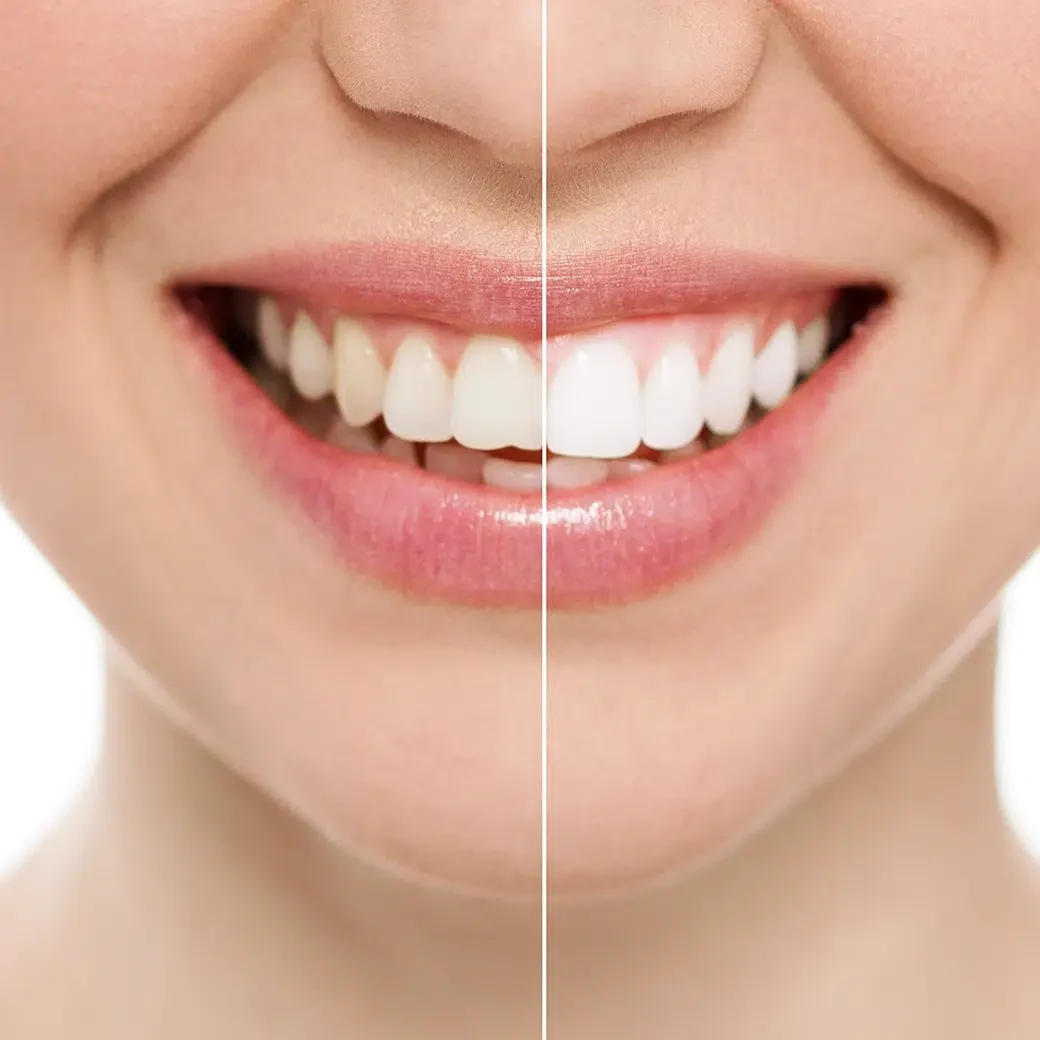
Teeth Whitening
Professional teeth whitening in Bangkok at COSDENT. Flash Whitening Laser — up to 8 shades brighter in 1 minute per tooth. Er:YAG Fotona technology, first in Thailand. Book your consultation today.
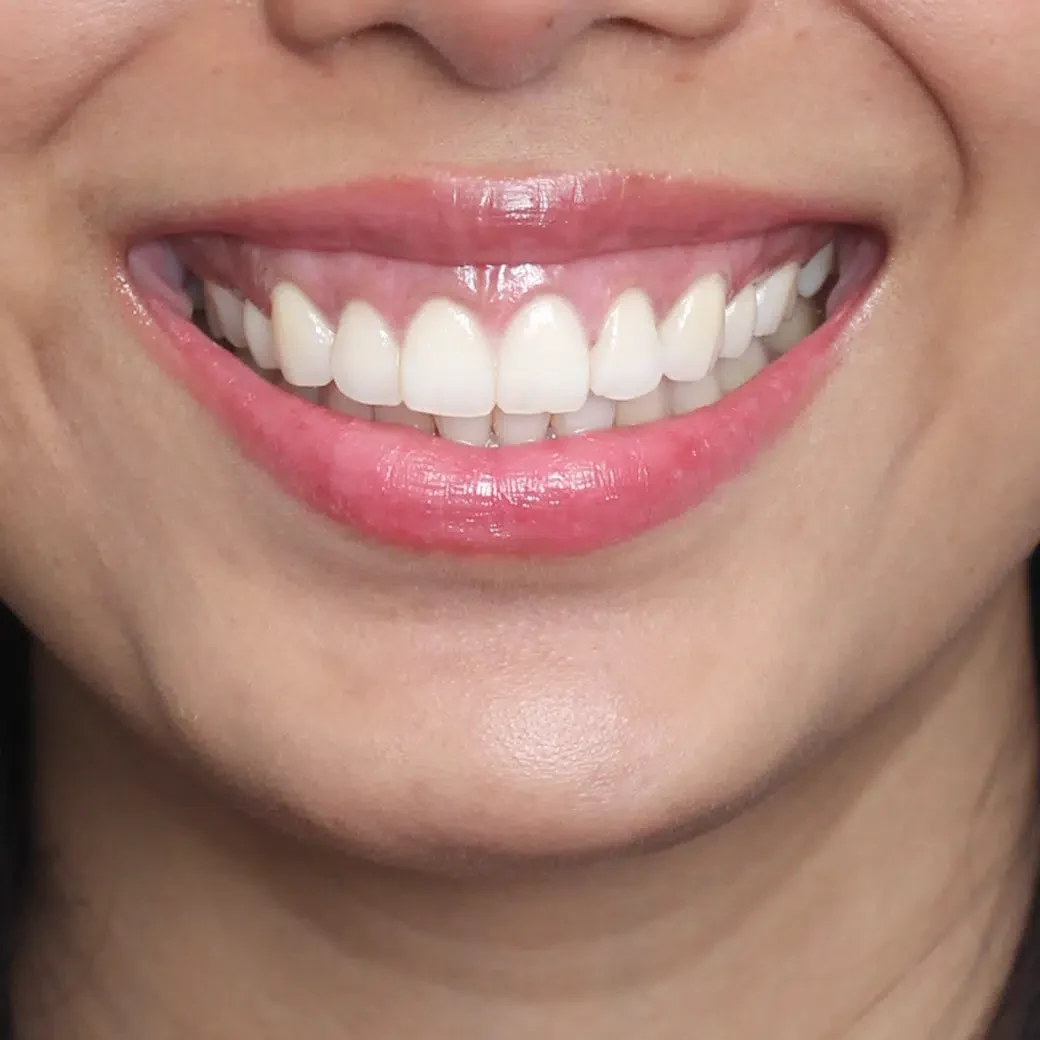
Pink Gum Treatment
Laser treatment to lighten dark gums for a healthy pink appearance.

